
MOROZ GAMES
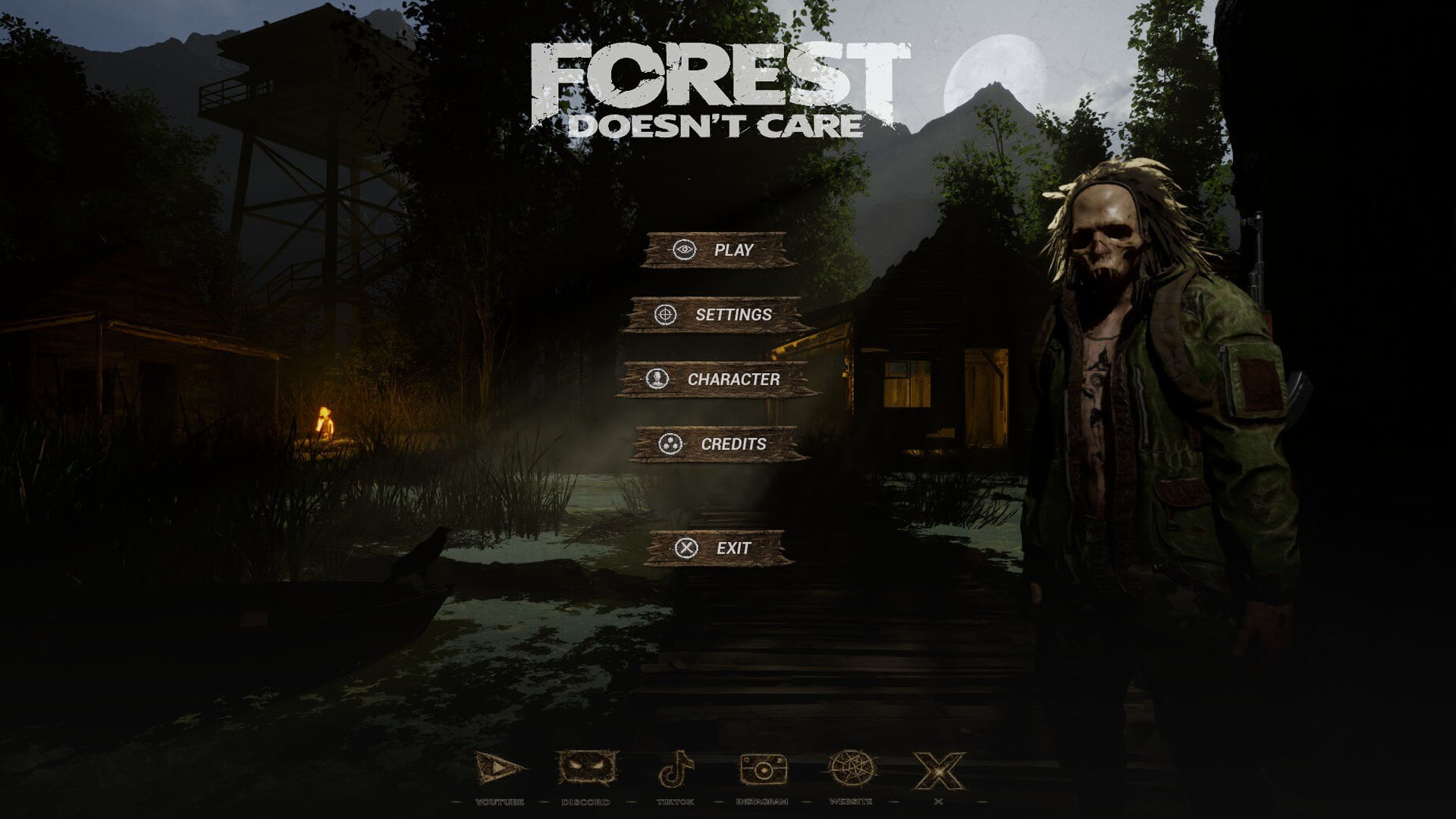
FOREST DOESN'T CARE. THE STORY. AND WHAT COMES NEXT.
The story of two brothers who wanted to make a small mushroom game and somehow built a forest that refused to let them go.
Prologue. Four Hundred Closed Tasks and One Very Bad Idea
July 2026. We are sitting among hundreds of closed tasks, open bugs, and new ideas that suddenly feel necessary. The map needs to grow, the AI needs to get smarter, the world needs to expand, and the game must not fall apart. Funny enough, a year earlier Forest Doesn't Care was meant to be a tiny mushroom game: a beautiful forest, a walk, Steam, and the little checkbox that says ?we made it?.
That is exactly why, of course, it immediately stopped following the plan.
1. Opened Unreal, Understood Nothing, Closed It
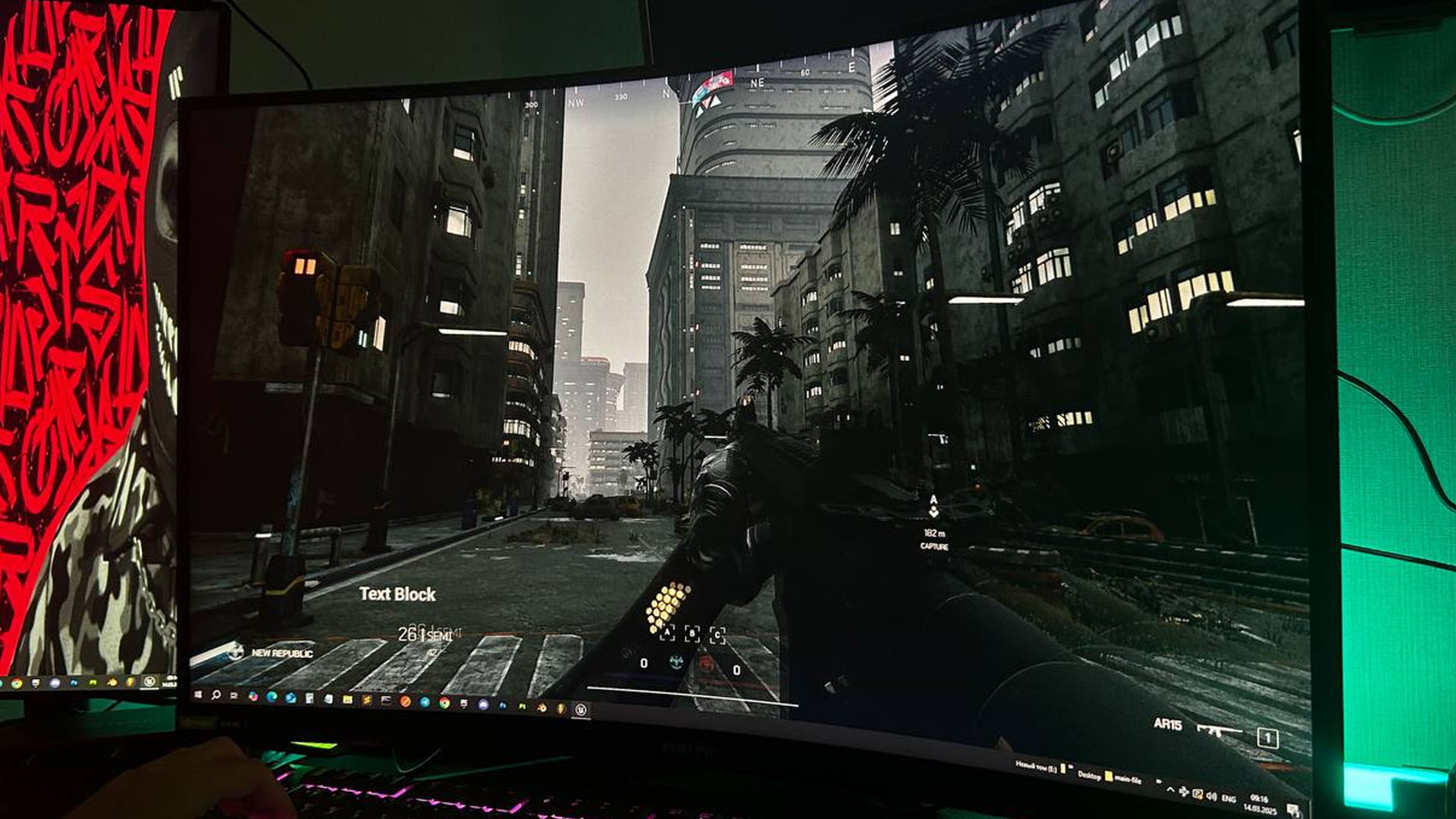
By August 2025 I had been working with Unreal Engine for about two years. I had IT experience, but Unreal was its own kind of humiliation: open it, see a thousand buttons, understand nothing, close it. Without courses, through trial and error, I started building maps, houses, roads, interiors, and forests that were not games yet, but slowly taught me to think like a developer.
I am an adventurer by nature. When others start simple, I jump straight into the complicated part and ask why the reactor does not work. That is how Unreal stopped being a program I opened and closed, and became a huge box of buttons for testing dangerous ideas.
2. The Gestalt That Was Supposed to Close With a Mushroom Game
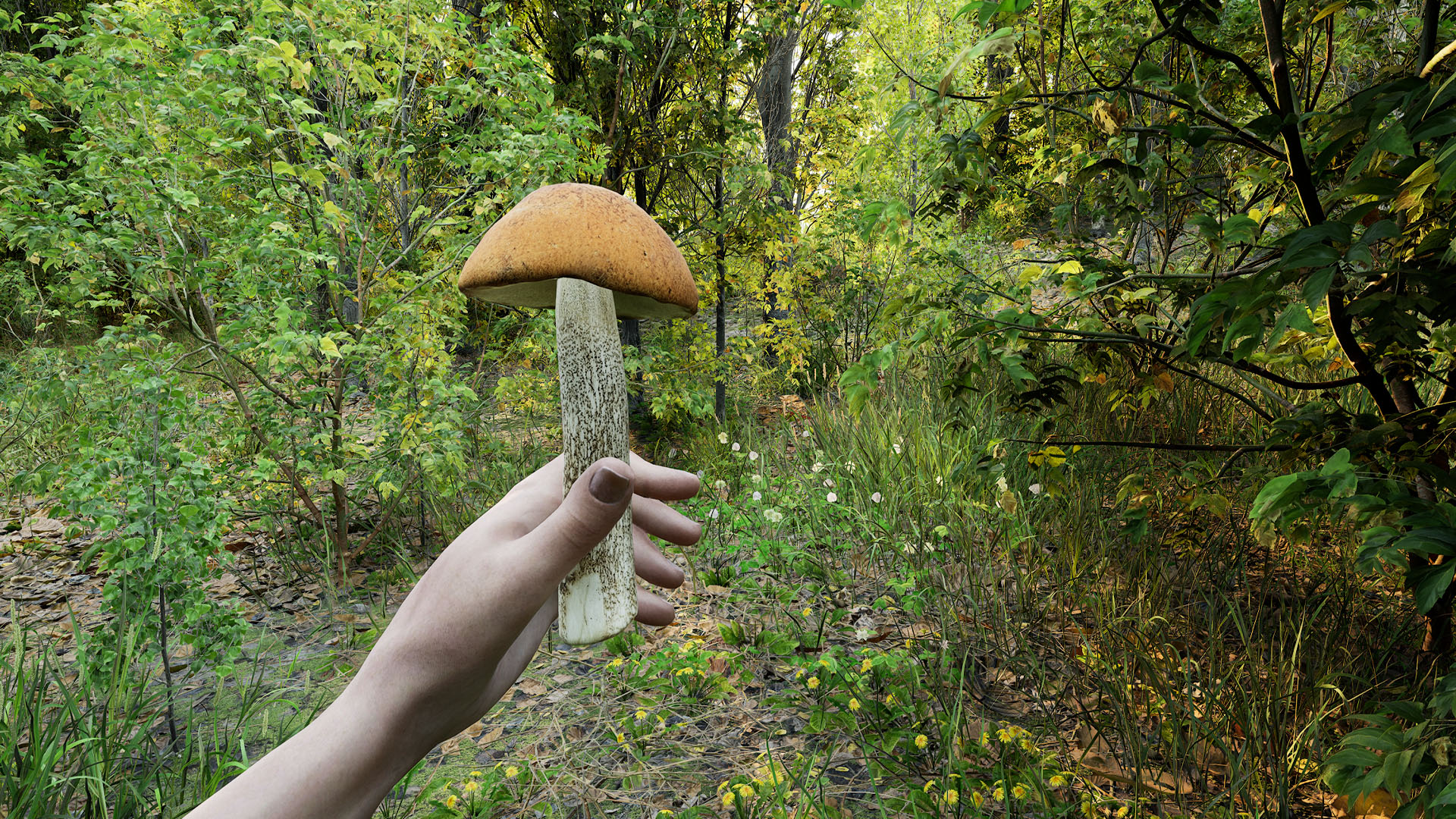
In the summer of 2025 I wanted to finish something. I lived inside Unreal, built levels, sold assets, but everything still felt like endless learning. The solution seemed simple: a one-button mushroom game in a beautiful forest, released on Steam. No economy, no combat, no AI, no complex plot. Just forest. We did not yet know that in game development the word ?just? often becomes the main source of pain.
3. A Technical Monster With a Beautiful Image
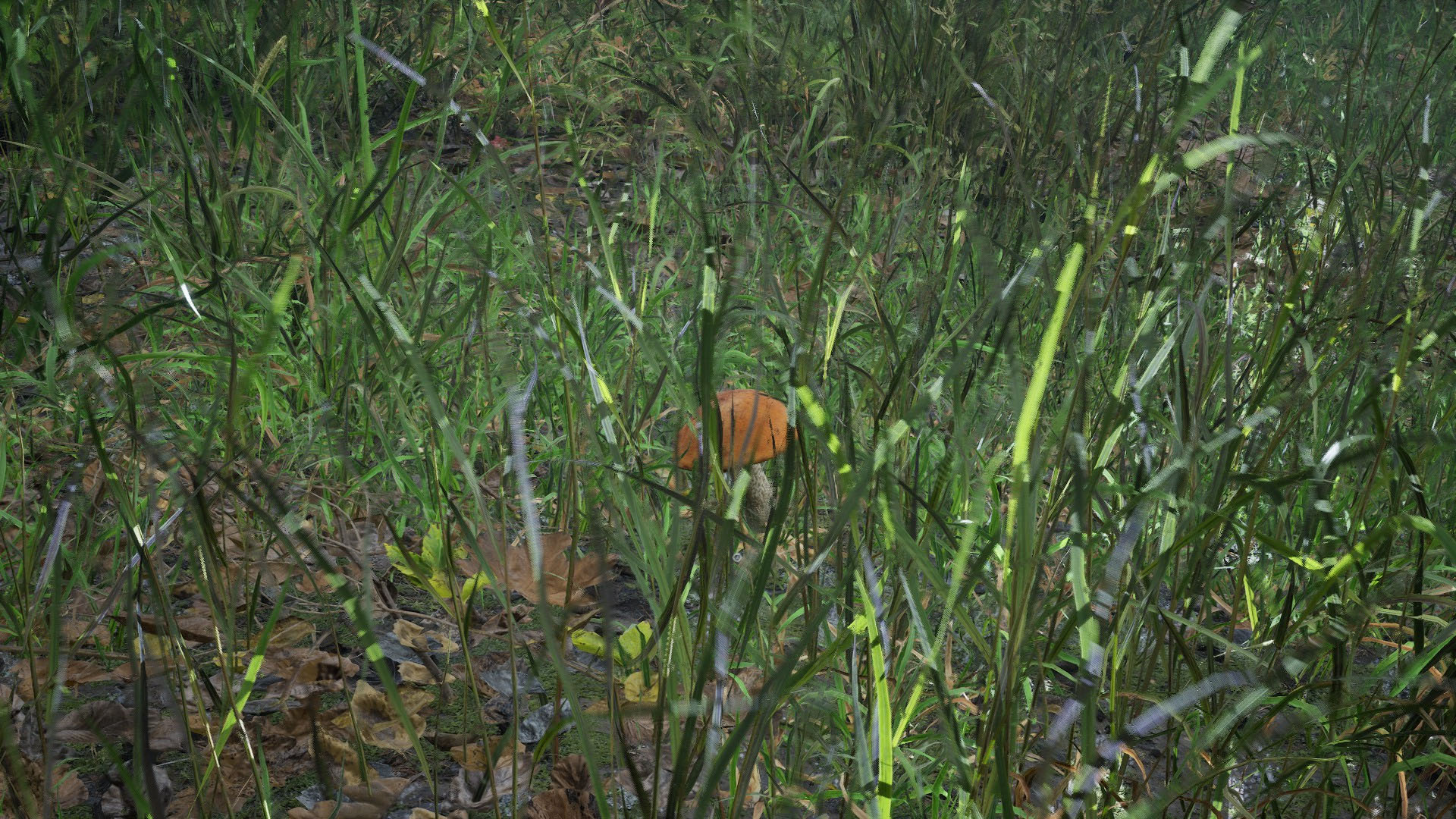
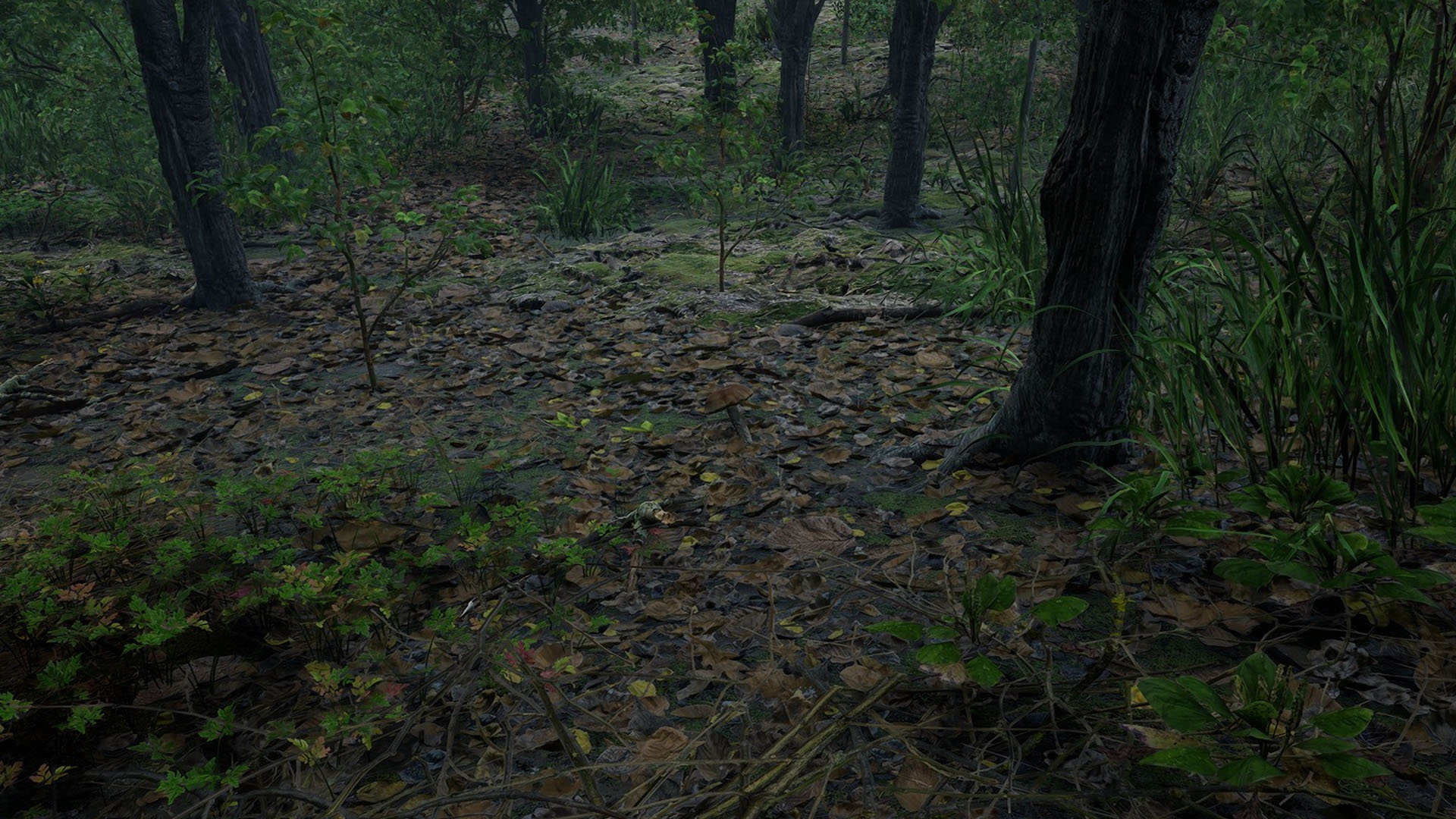
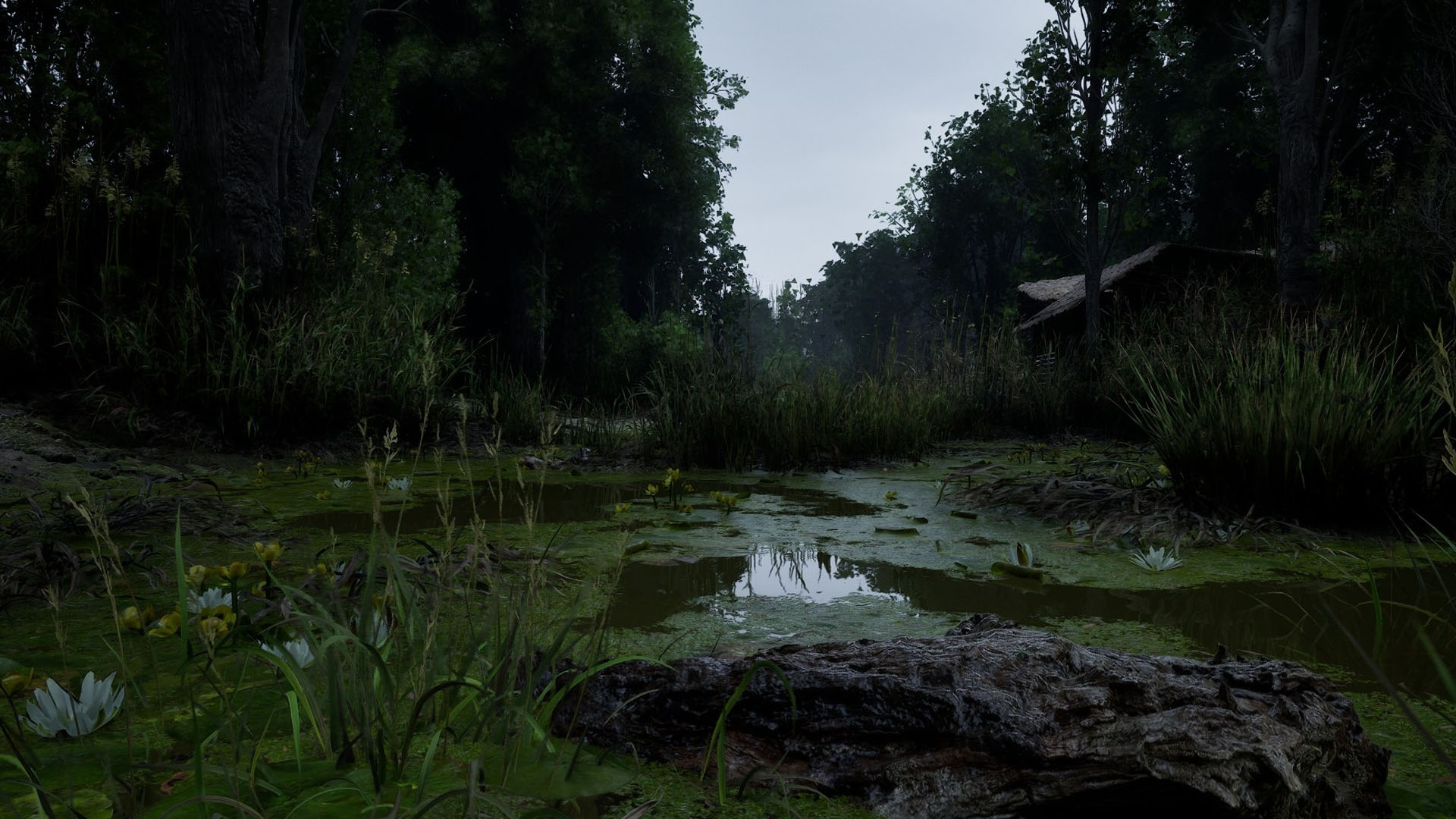
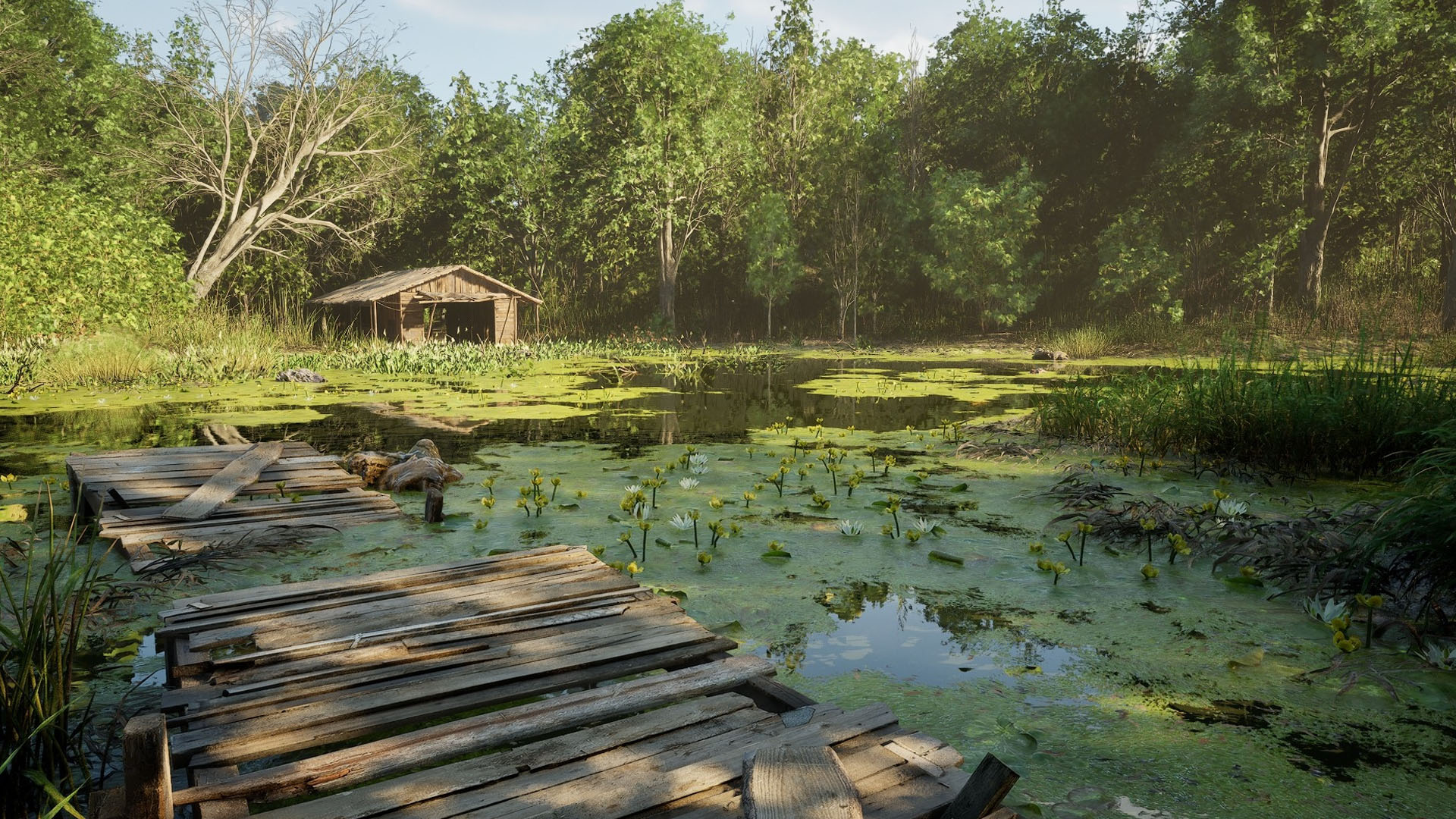
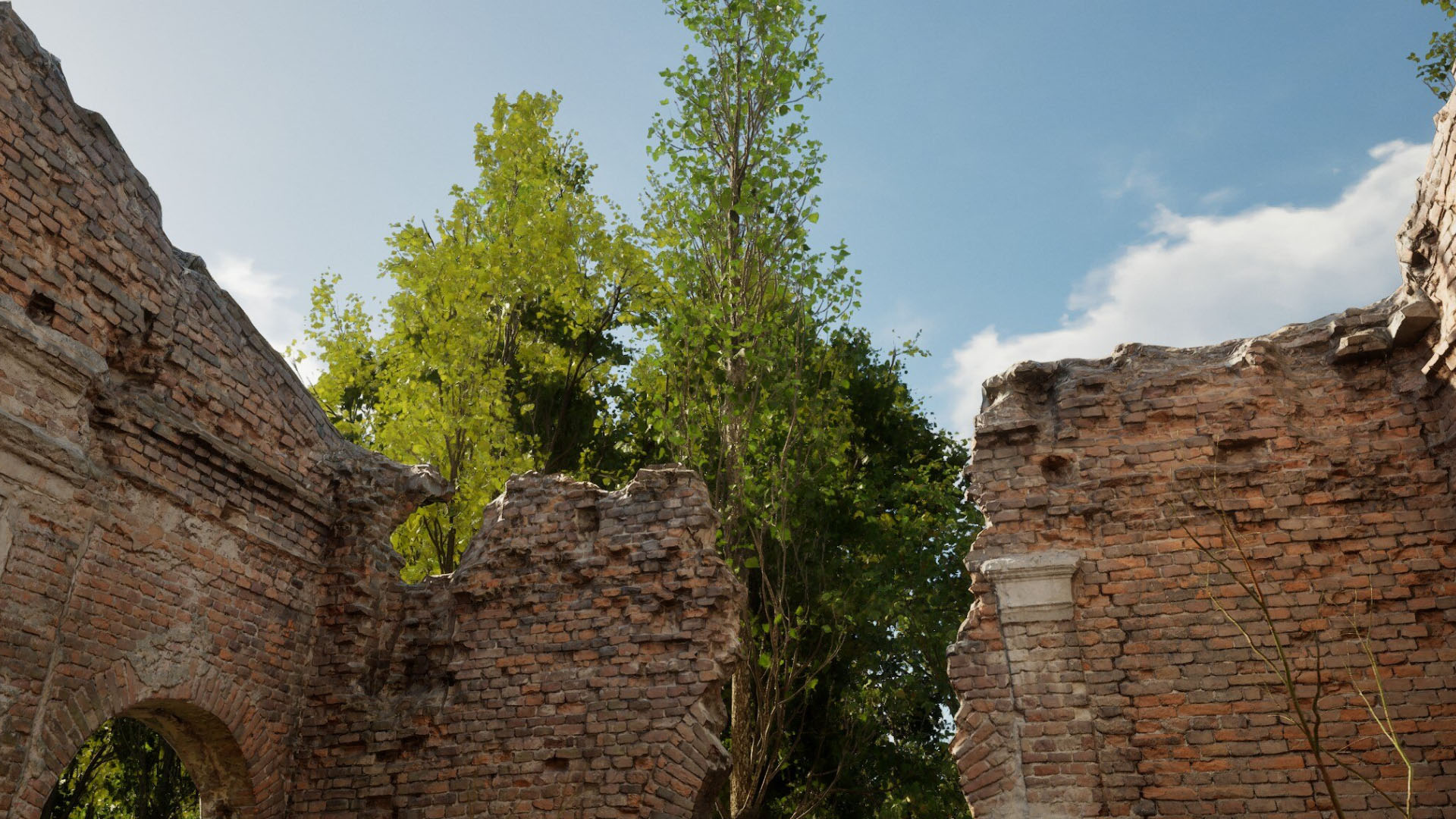
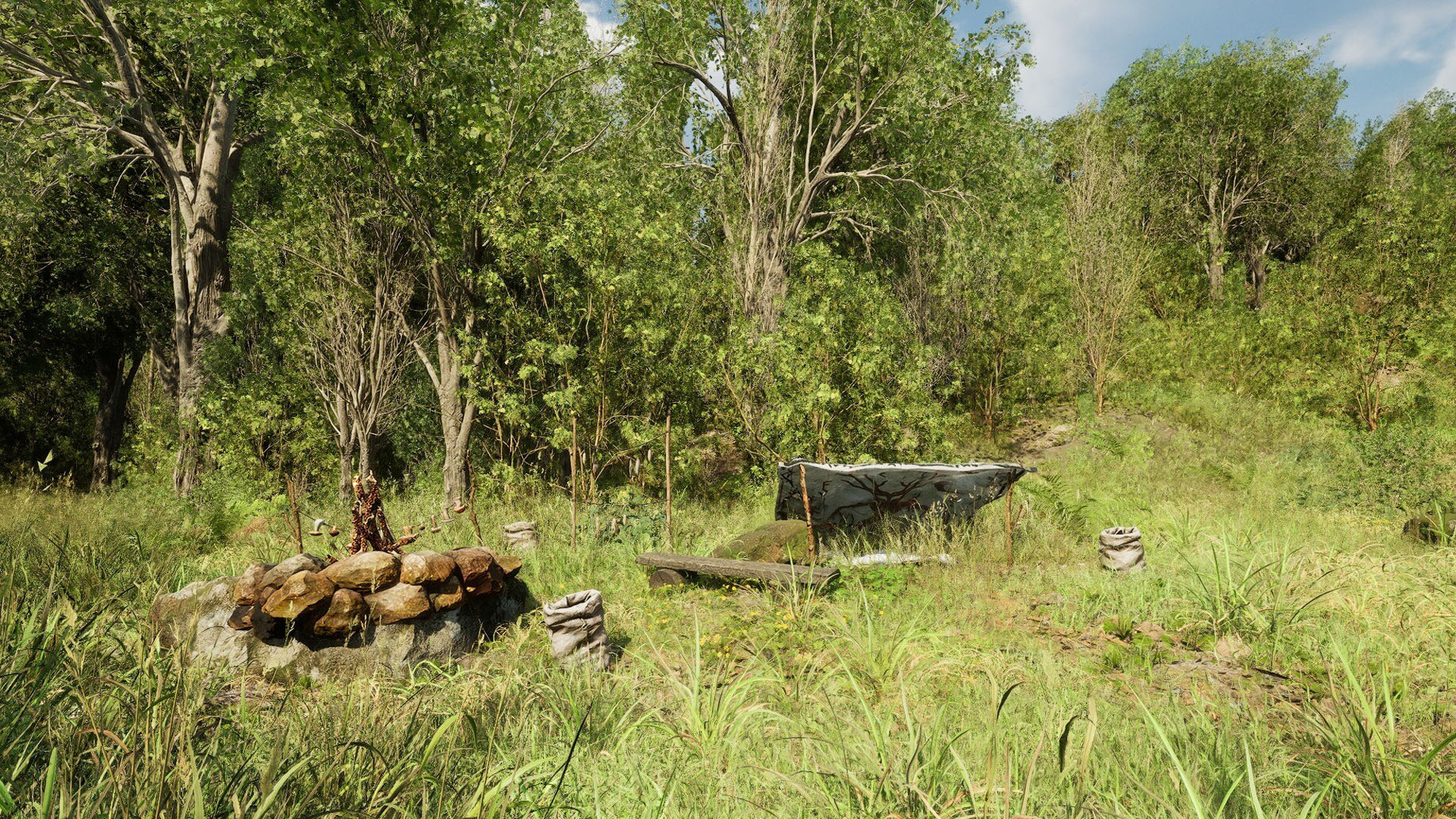
For the forest we chose heavy but beautiful assets. Technically it was risky; visually it had weight immediately. The forest loaded slowly, felt dense, realistic, and uneasy. We polished the demo to an acceptable level, uploaded it to Steam, set a release date, and almost forgot about it.
4. The Forest That Started Scaring Us Without a Single Monster
Before release we added strange sounds around the player. At first it was not horror, but a real forest is already full of things you cannot explain: cracks, screams, distant shots. Between those random sounds, our forest became too quiet, dense, and indifferent. Then came squirrels, abandoned places, strange objects, and traces of other people. We did not explain what happened; we let the player assemble the story.
No map. No quest. Only forest.
That became the foundation of the game: not ?we will show you a beautiful forest?, but ?we will show you a place that owes you nothing?.
5. The Release After Which It Seemed Everything Was Over
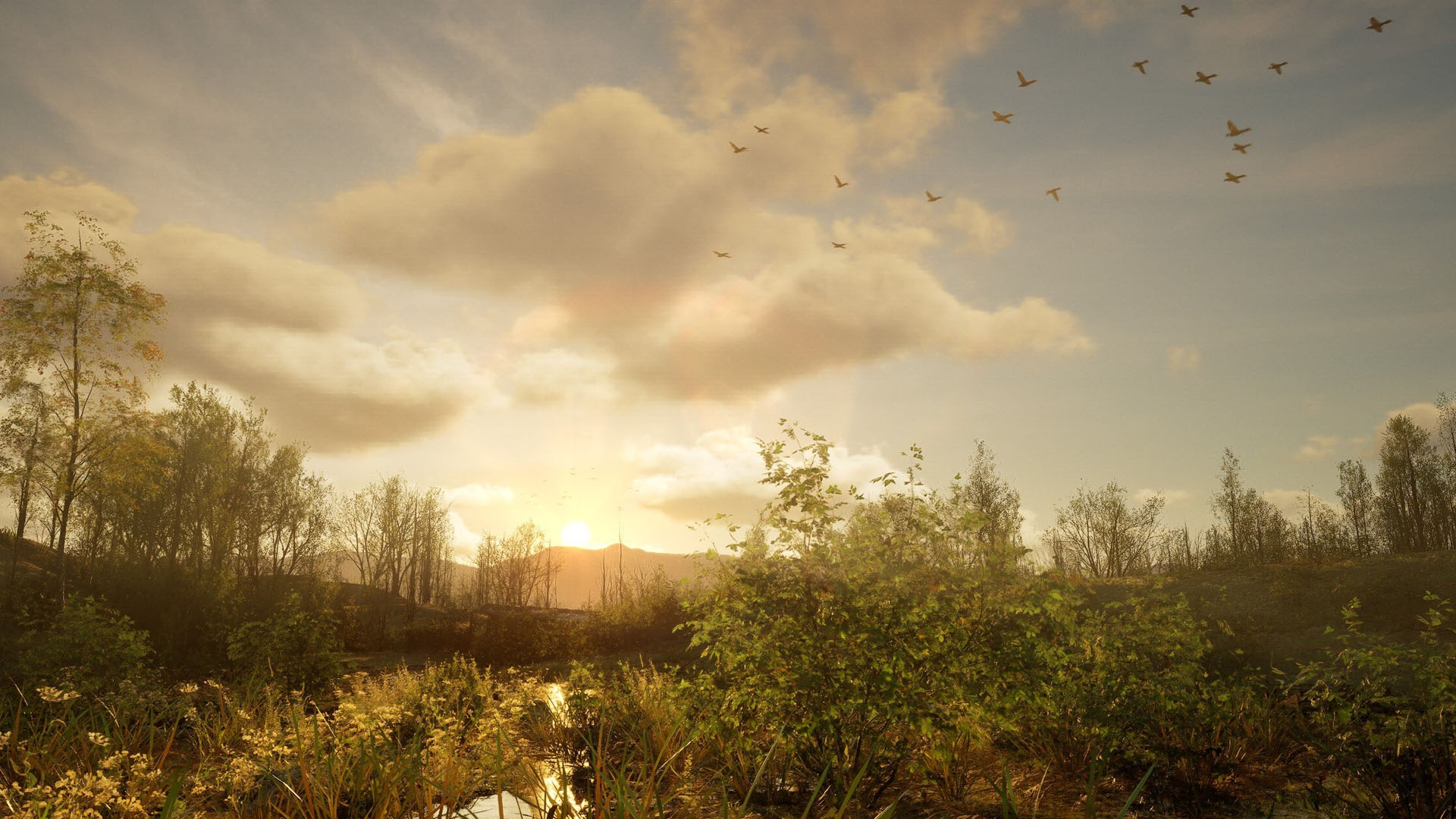
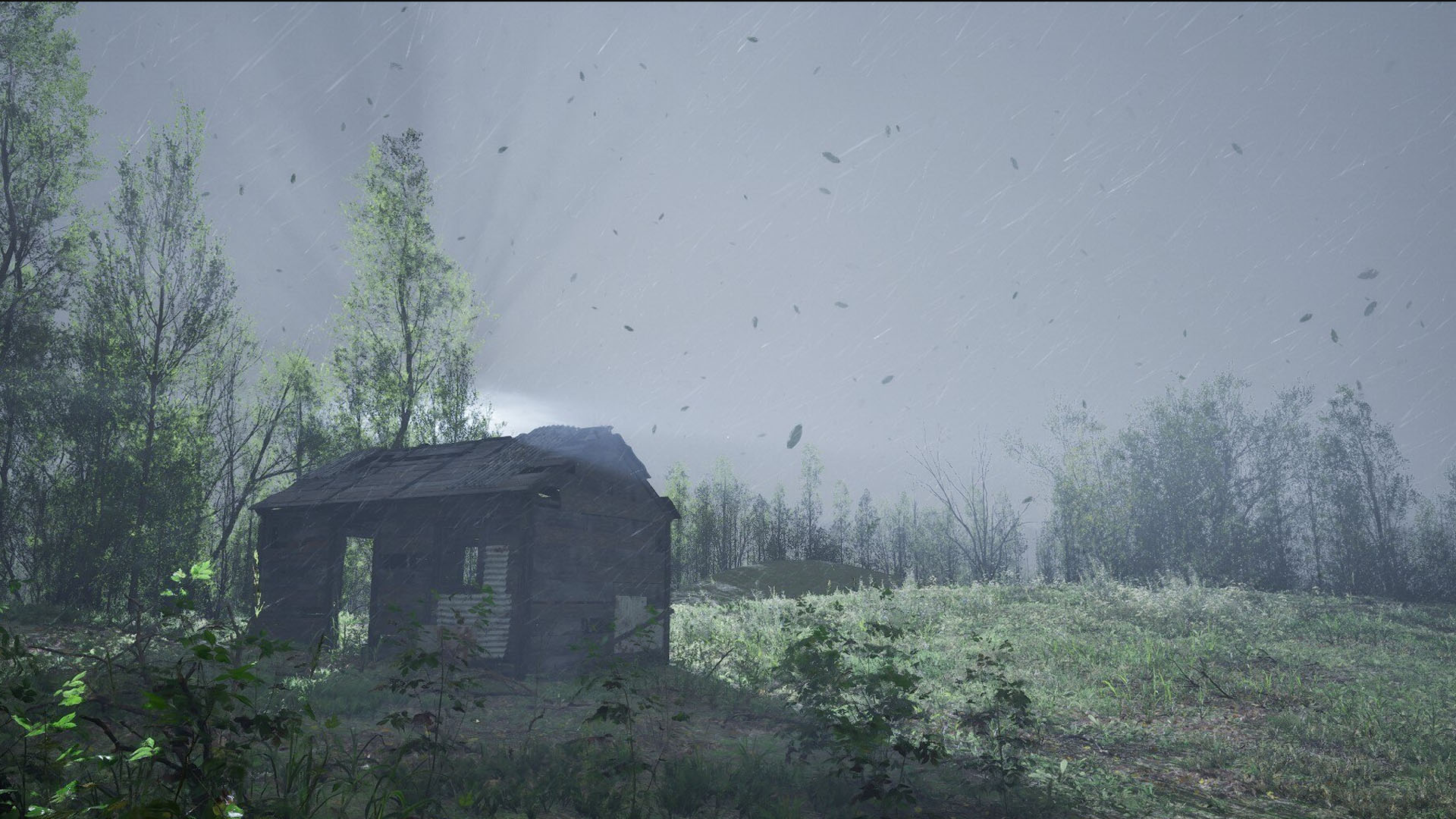
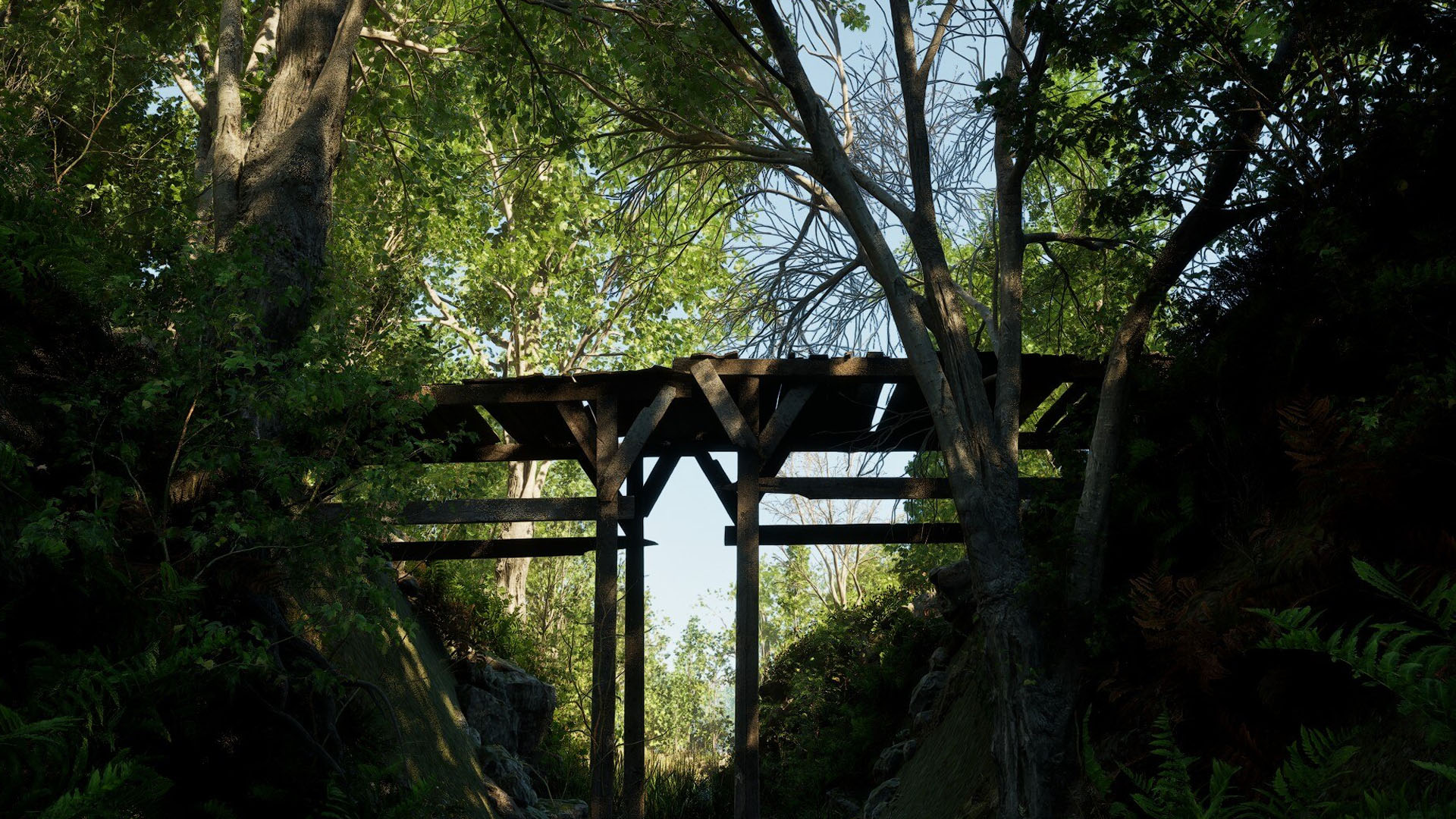
Forest Doesn't Care launched on Steam on August 29, 2025. For us it was still a small game made to close a gestalt. The first YouTube videos from small creators appeared, and it felt strangely good to see someone really walking through our forest. Then everything went quiet and it seemed the story was over. That was a mistake: the forest had already decided we were staying.
6. One TikTok With 400,000 Views
One TikTok about the game reached around 400,000 views. Later, other videos reached millions together. People did not just watch; they talked, argued, asked for co-op, more interactions, more meaning, and more reasons to return. When the same idea repeats many times, it is no longer noise. It is direction.
That experience editing videos and publishing them on TikTok also led to another MOROZ GAMES product: ZaZaCut. Do not ask why it is called that.
7. There Were Two of Us Now
After that wave I pulled my brother into the project. He also came through Unreal, but leaned more toward programming and development. We have supported each other since childhood, so making the game together did not require a long negotiation.
Our life already had enough wild adventures, so game development felt like another one. My brother still remembers a childhood bet that apparently means I owe him billions. We started adding features, and one day he said: ?What if we add multiplayer just for fun??
My answer was roughly: ?Whoa. Damn. Let's do it.?
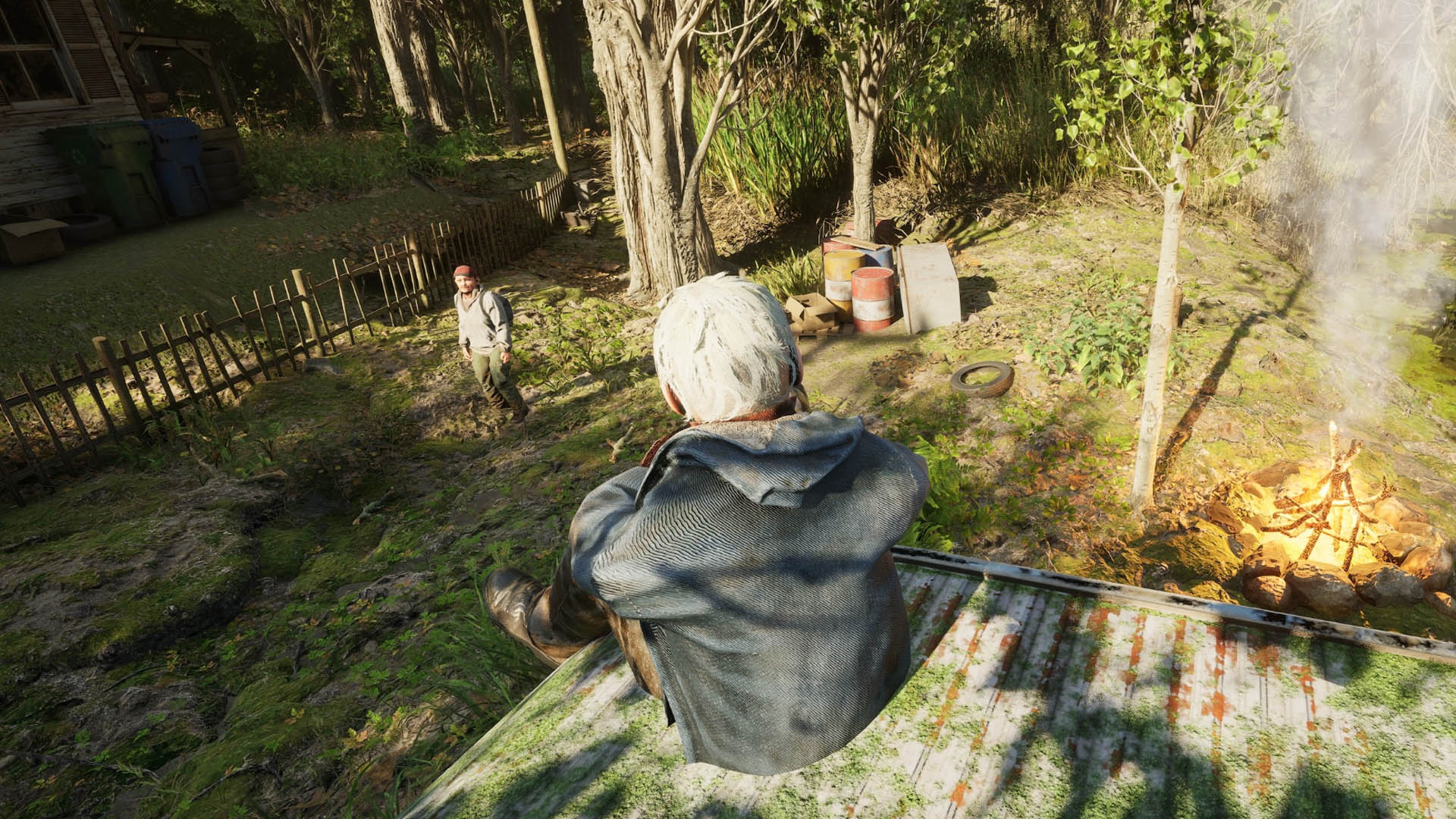
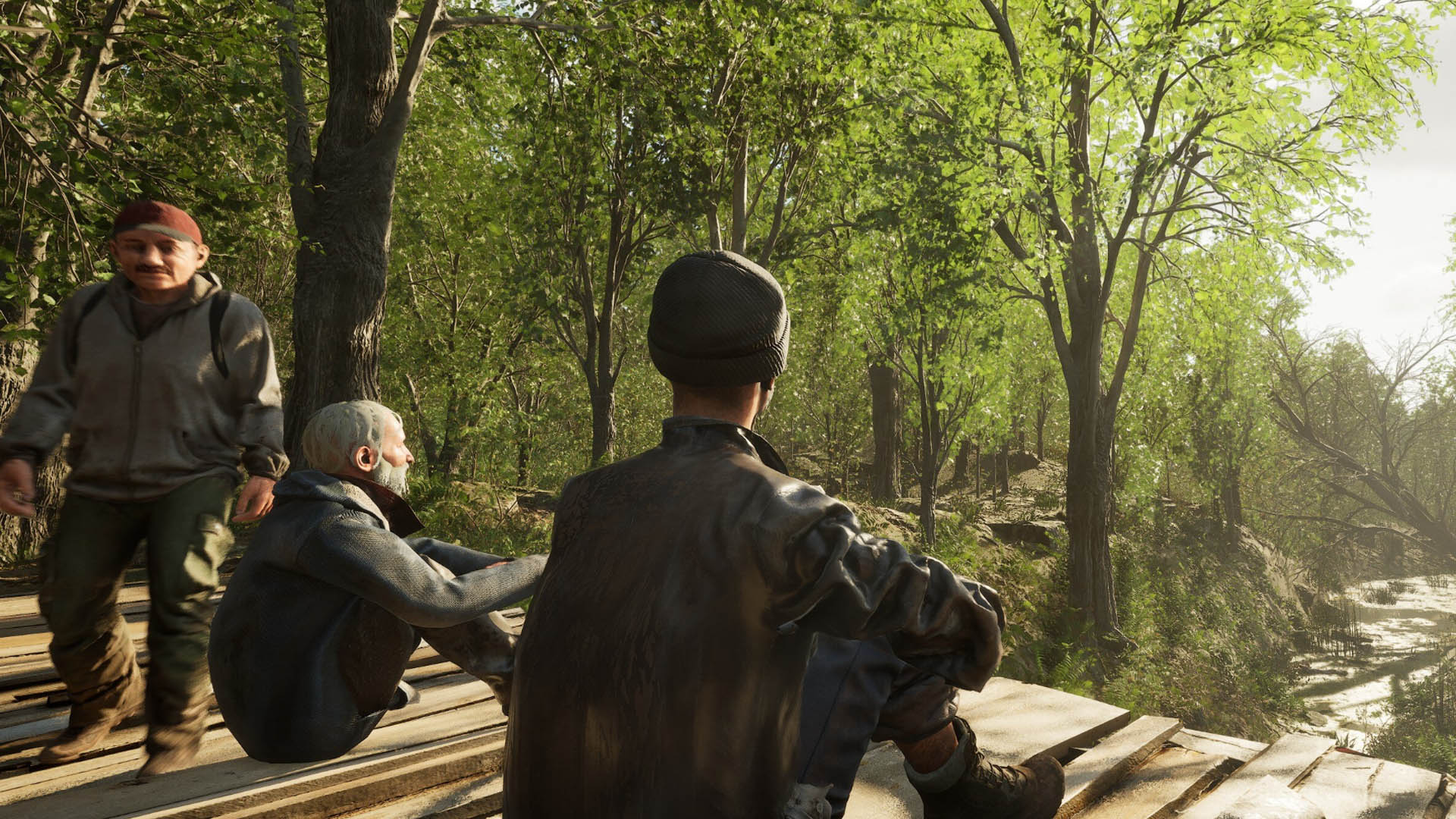
And we did. We added pointing, whistling so players could find each other in the forest, random characters, and old men. People started simply chilling in the forest. That mattered: a lonely walk suddenly became a meeting place. The forest stayed indifferent. The players did not.
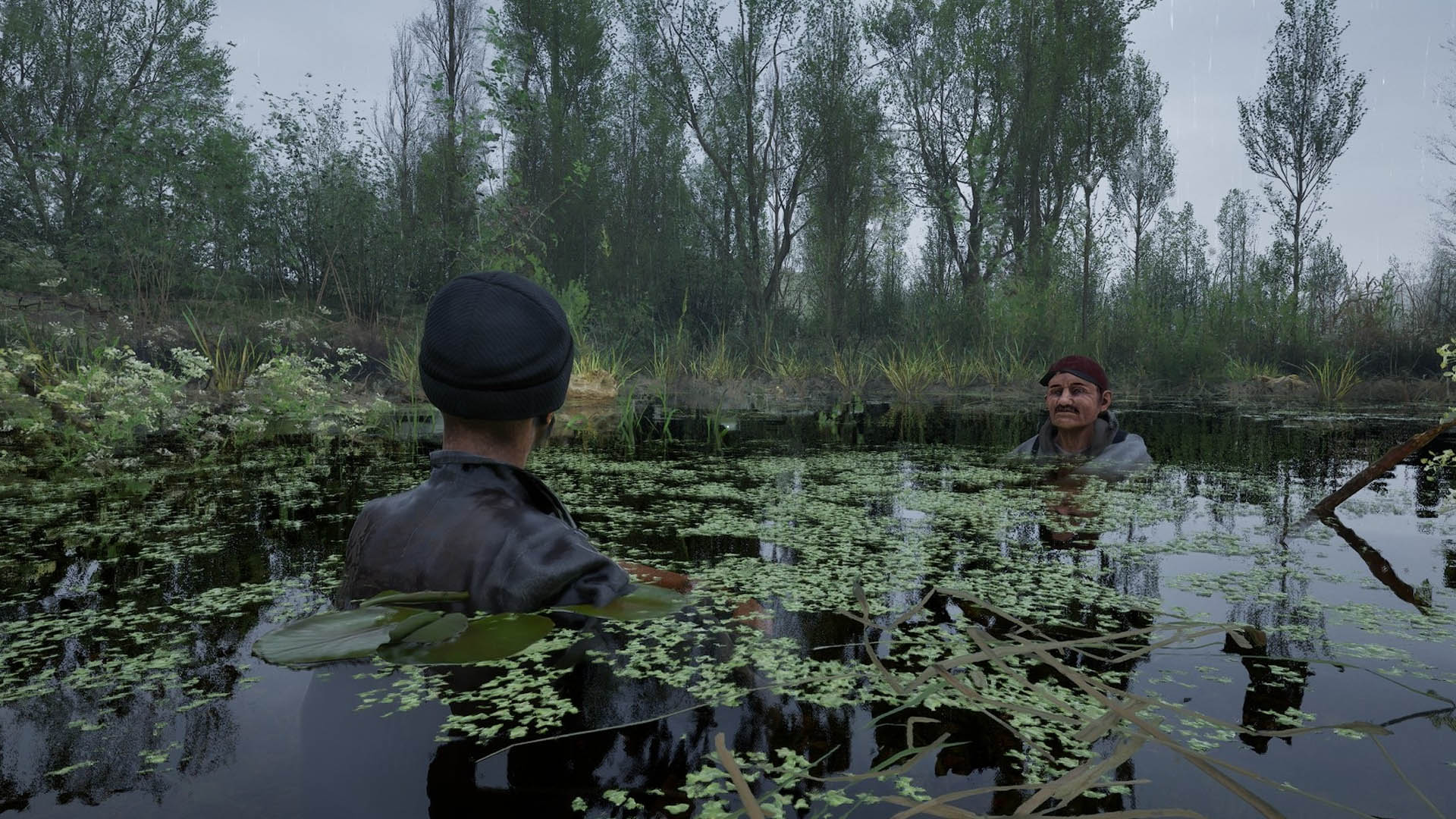
8. Hostages of Our Own Audience
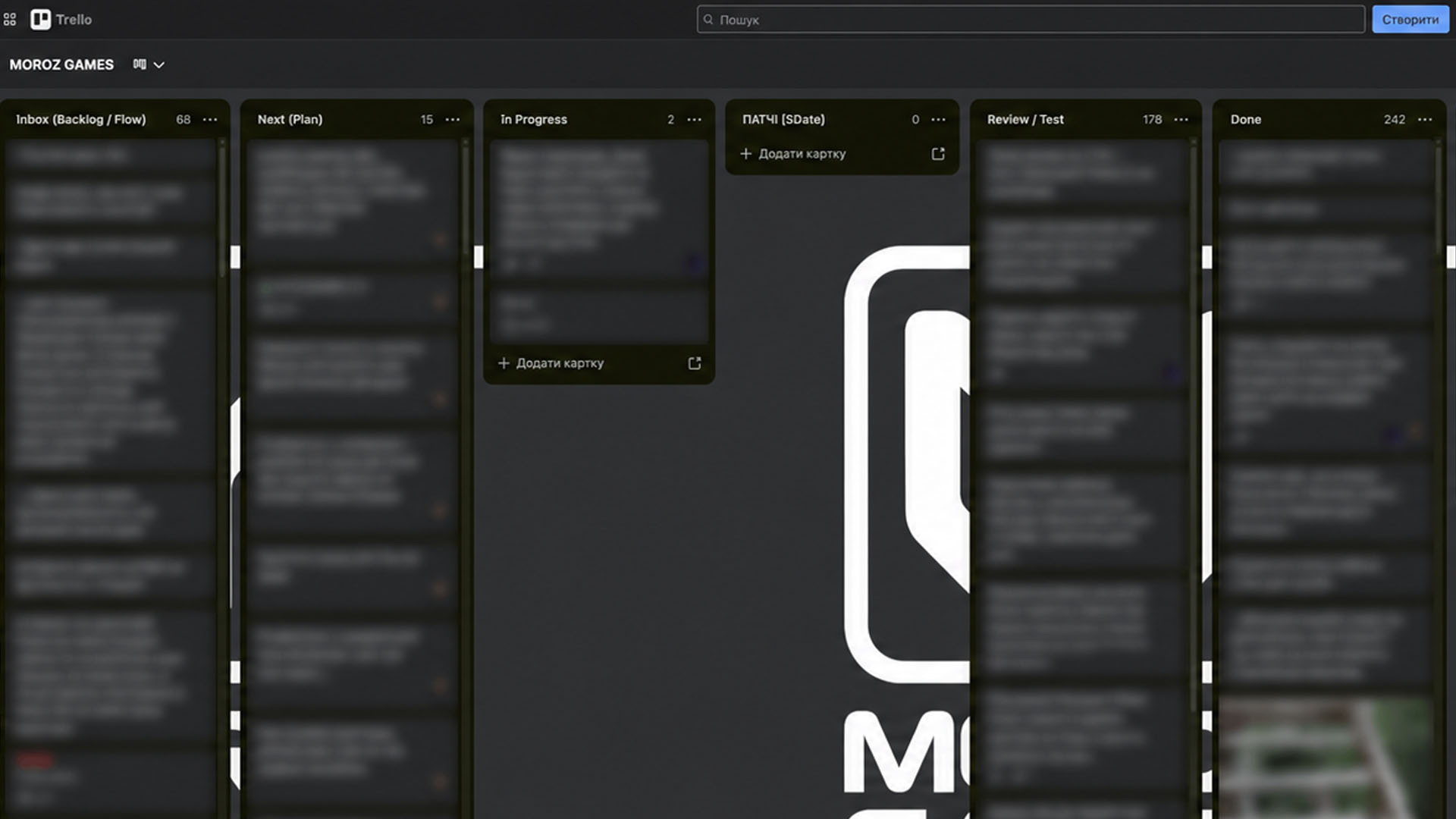
People affect you the most. Thousands of comments slowly turned into a list of obligations. We announced a big update, but the game was already released: on Steam you cannot simply say ?we changed our mind, now it is early access?. Every patch is compared to promises, every mistake is visible. We became hostages of the crowd, but in a useful way: the audience showed where the game failed as a product. That was also when the NVIDIA moment happened.
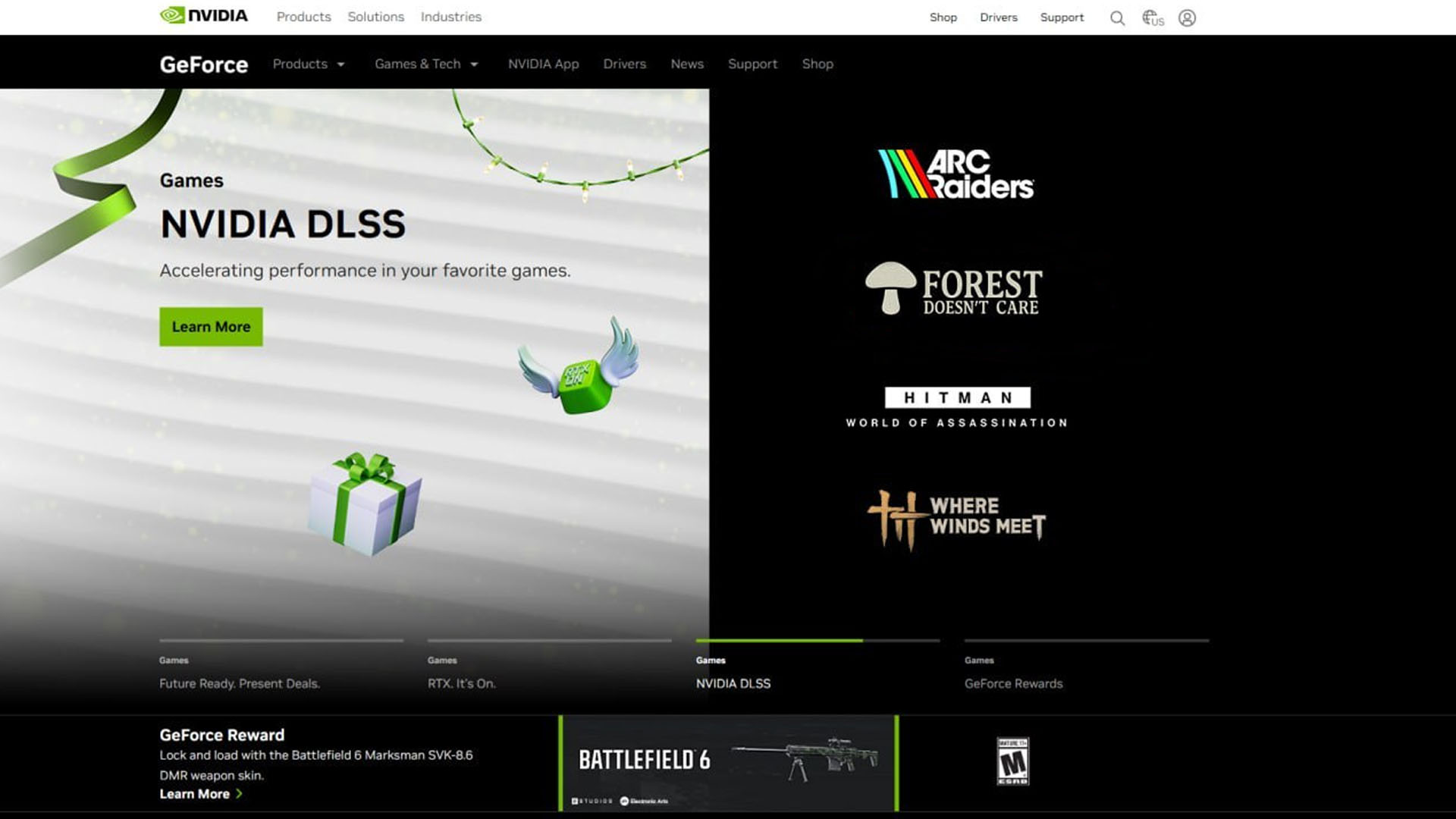
NVIDIA started showing our logo next to big AAA projects. For two people who started with a mushroom game, that felt surreal. But with joy came responsibility: if we appear near projects like that, we have to try to approach that level. We worked hard, and by December we understood that one patch had become a Frankenstein of new systems, old decisions, compromises, and hundreds of tasks.
9. How Games Are Made When You Do Not Follow the Textbook
If the studio ever grows, we want to keep courage, enthusiasm, and the willingness to try new things. Big studios cannot turn the machine instantly: budgets, teams, marketing, deadlines, contracts. Indie has a strange advantage: open Unreal, press buttons, break the map, go back, and find solutions by hand. Forest Doesn't Care was born less from a perfect design document and more from turning limitations into world logic.
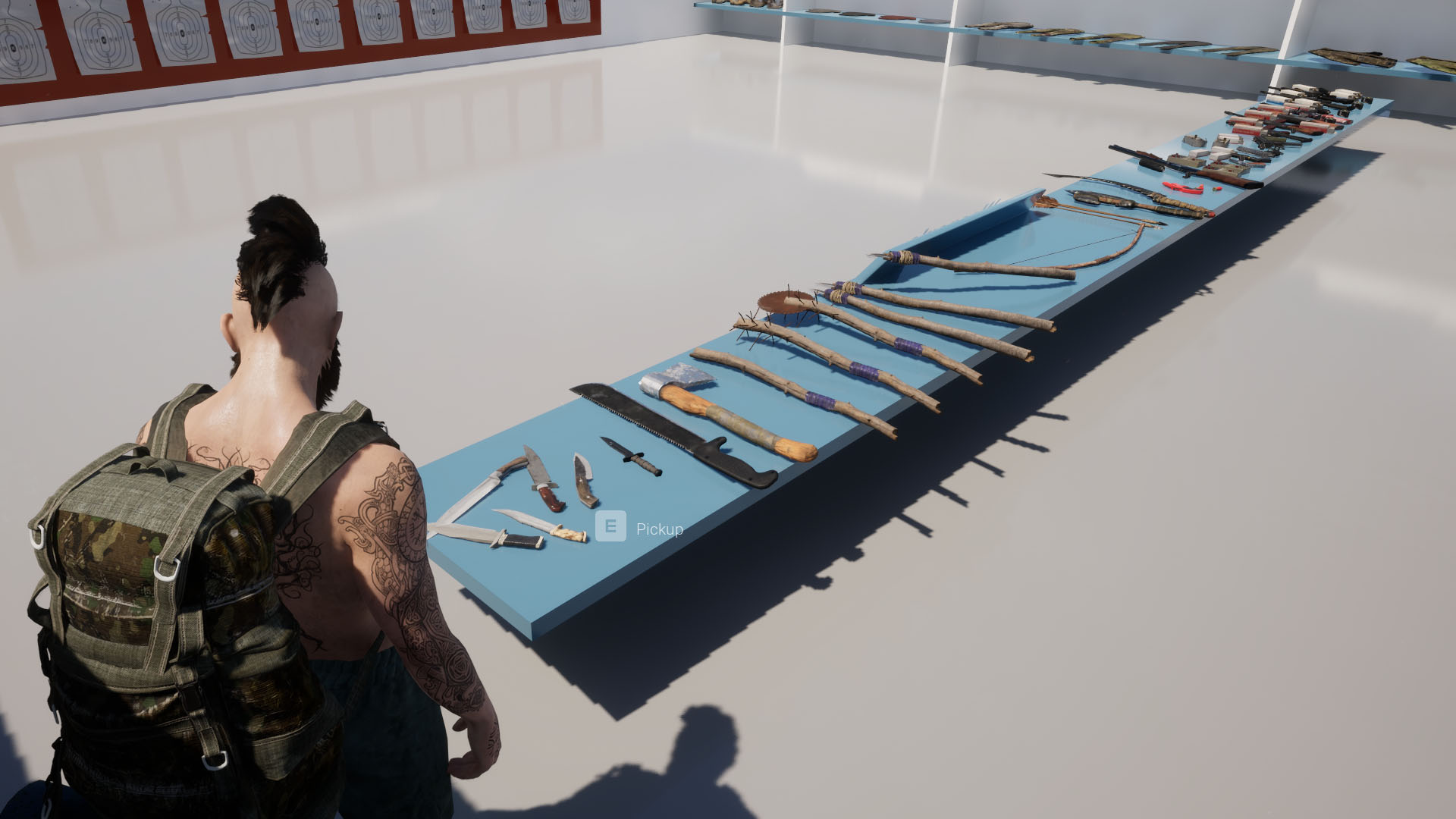
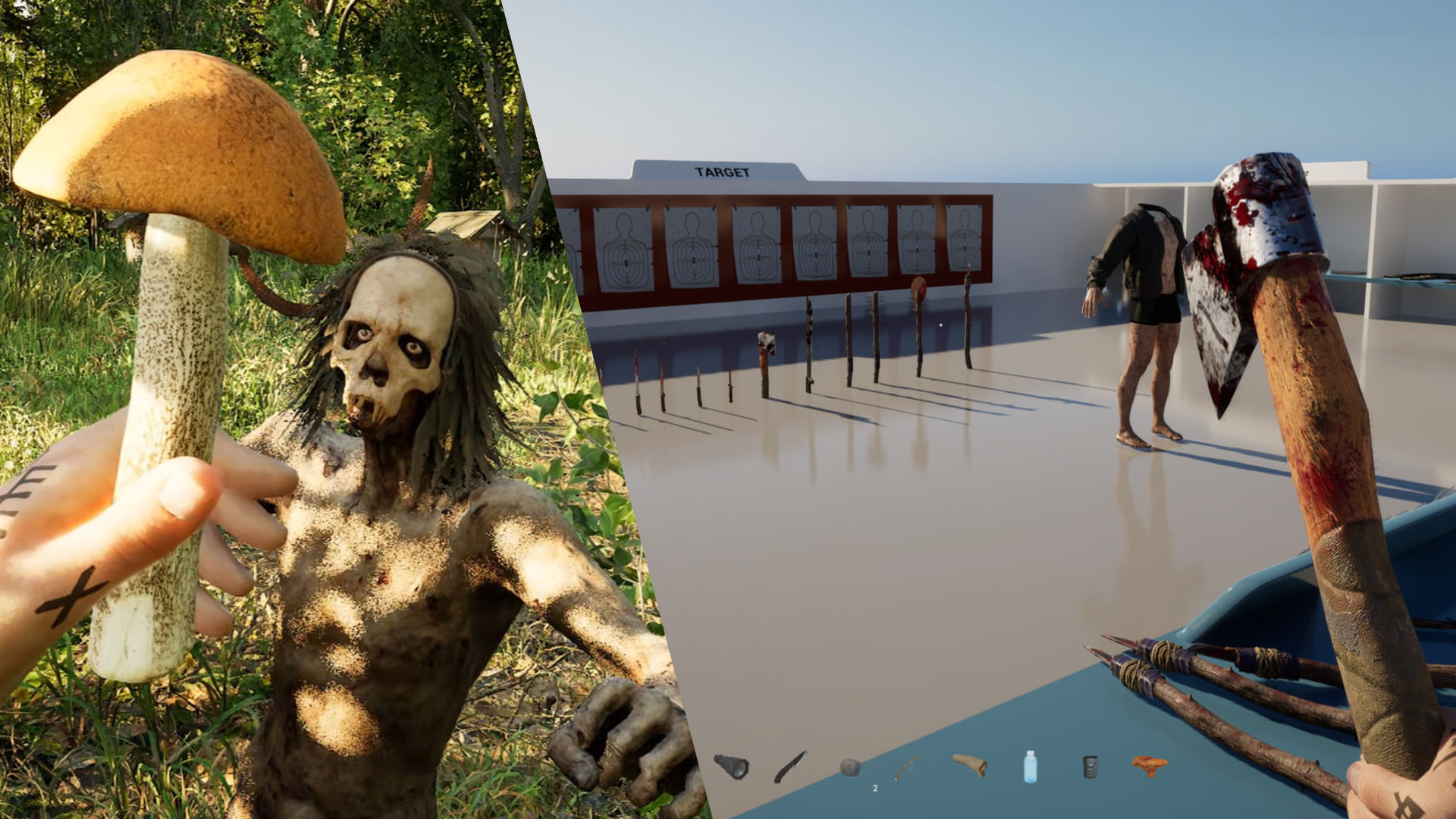
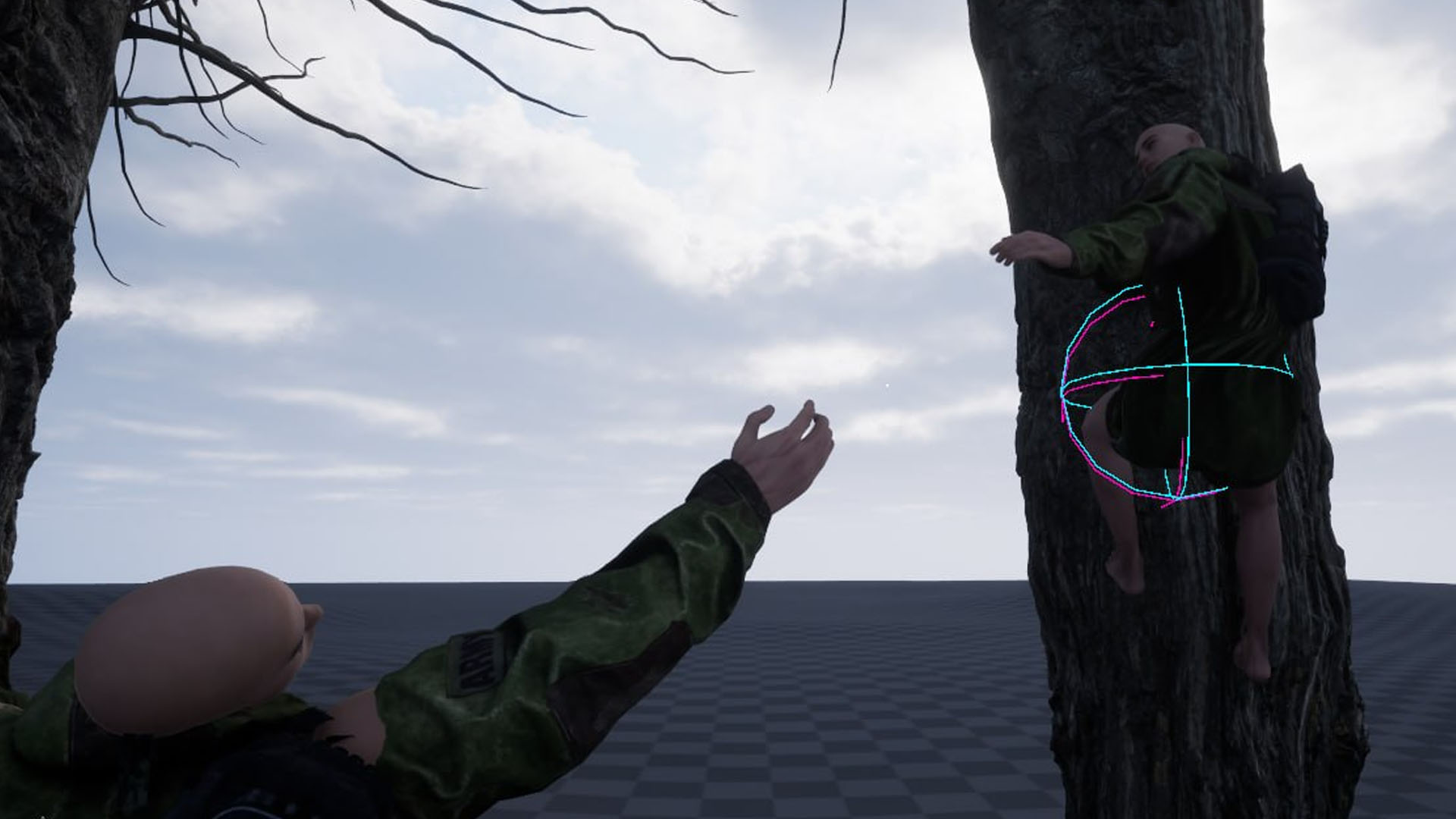
The forest could not expand endlessly sideways, but it could grow through trees, caves, underground passages, and levels. That is how the idea of another world beneath the forest appeared. Technical decisions became mythology. In one version, entire cities existed in the trees. It did not become final, but that is how the game was built.
10. Half a Year of Silence and Unreal Finally Starting to Talk
We got stuck. Instead of small patches, one huge block of work appeared, then another, and changes could no longer be released one by one. For players, that looks like developer silence. For developers, it is opening the project every day, facing hundreds of tasks, bugs, and Unreal checkboxes that suddenly control half the forest. We worked with Lumen, Nanite, Virtual Shadow Maps, HLOD, HISM, UDS, UDW, SSR, reflections, wet surfaces, WPO, MetaSounds, and many things that sound like laboratory diseases.
But those ?three milliseconds less? are the difference between a forest that looks good in a screenshot and a forest you can play in without turning your PC into a heater. Our relationship with Unreal changed too. At first the question was:
Why does this not work?
Then:
There is definitely a parameter somewhere.
That was already progress.
11. Weather, AI, and the Fight to Believe the World
Weather became its own novel: too much rain, too dark, too sunny, fog, rain again. We had to balance beauty and comfort. AI was the same: we did not want bots that stand in a point and run at the player. The world should live without the player. That is easy to say and hard to code. If it rains, not only stones get wet, but animals, enemies, clothes, and surfaces too.
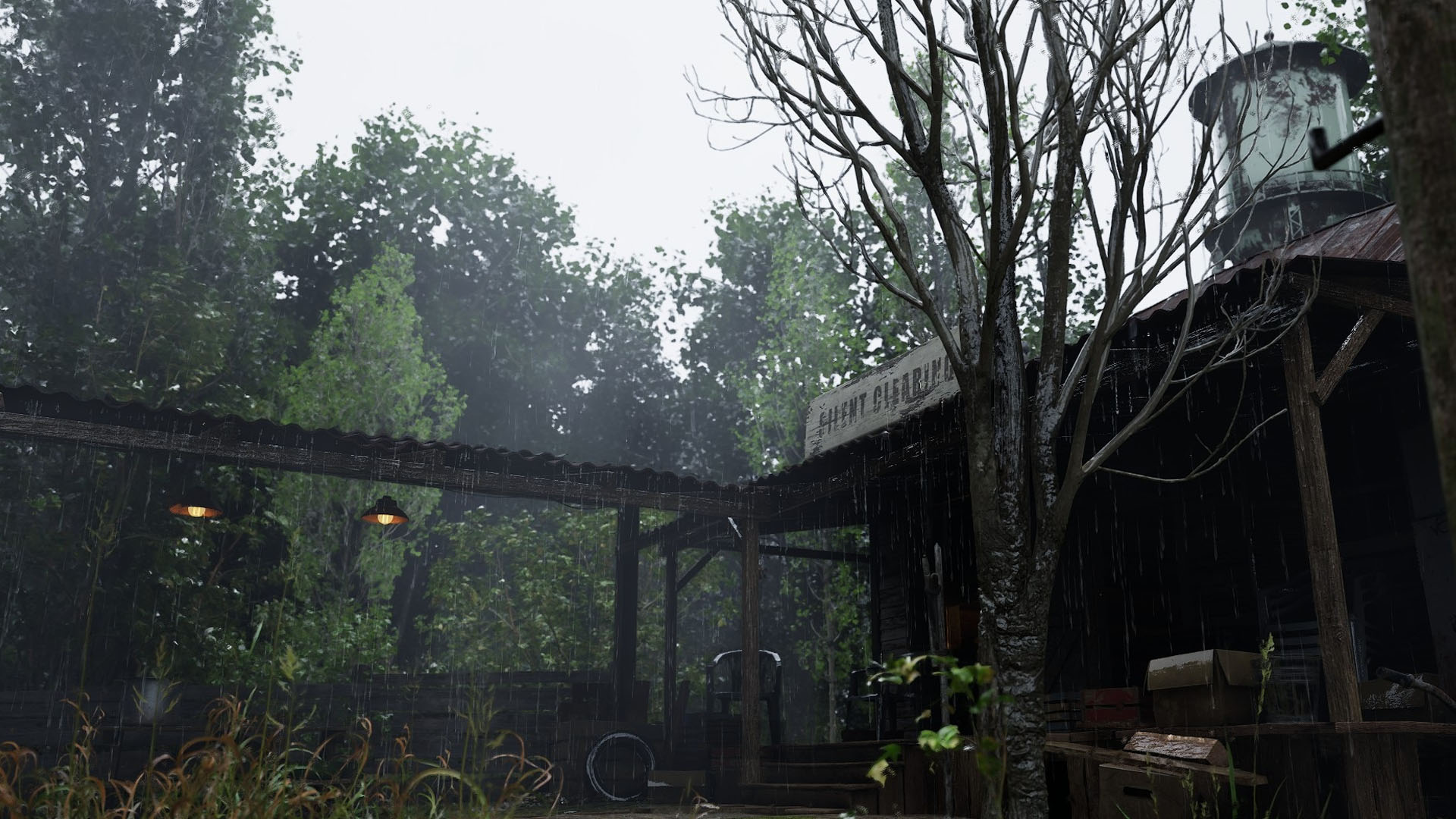
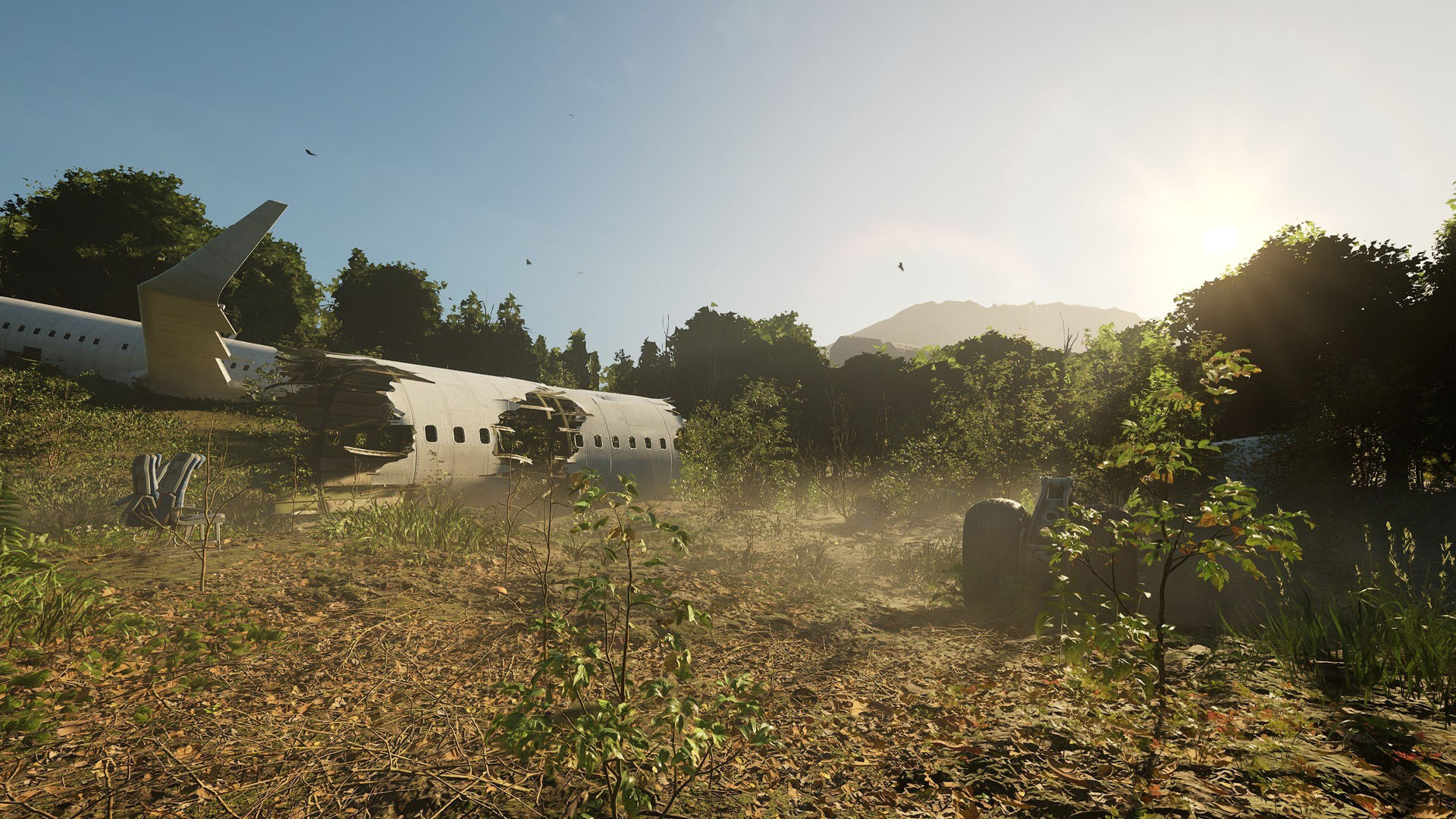
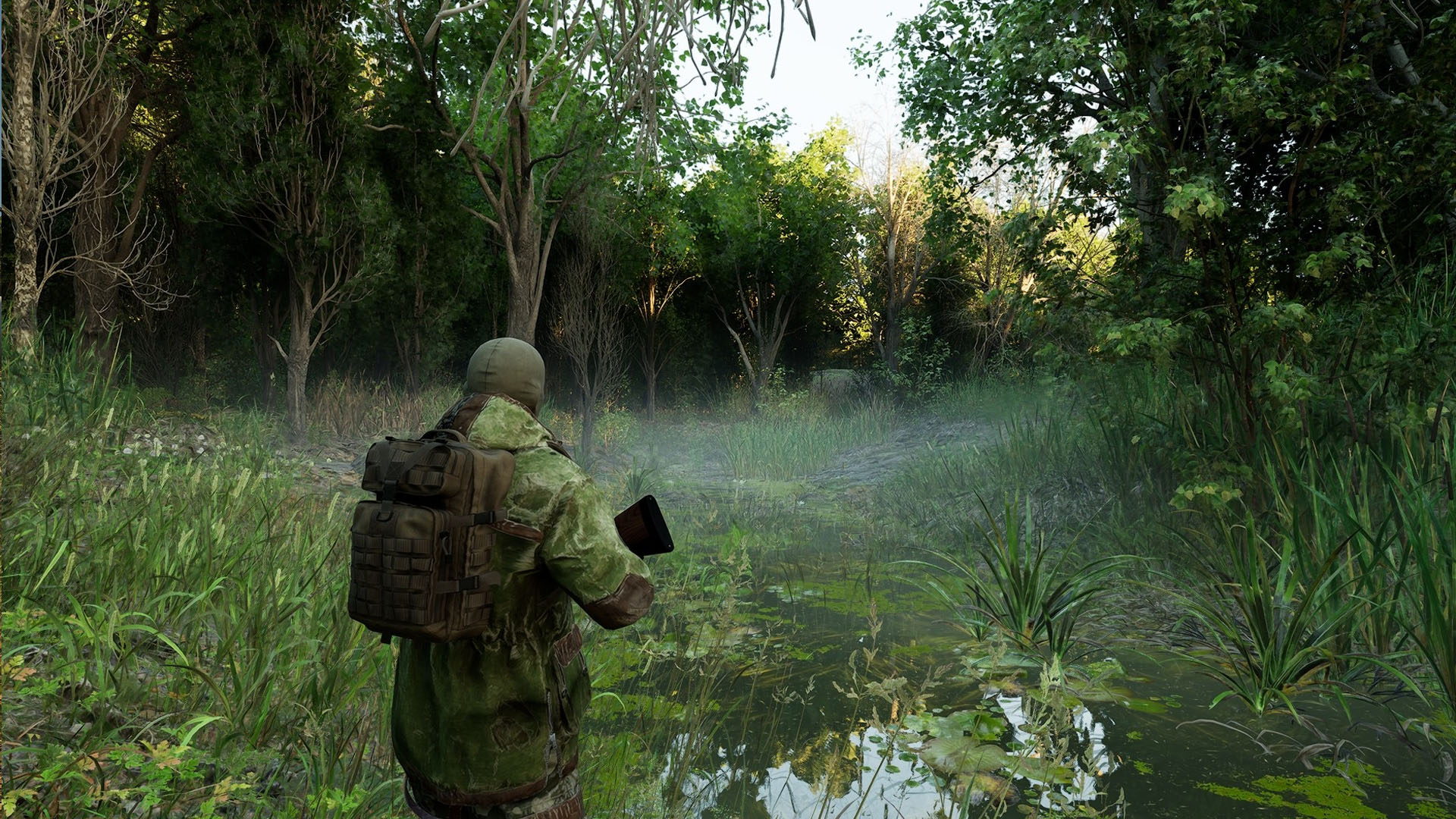
Immersion lives in details: if you repair a weapon, maybe you first need to remove the optic. We also built our localization approach: from simple translation to automation, internal tools, AI agents, and a pipeline. Our rule is simple: if something is done twice, automate it. Sometimes it saves time; sometimes you spend three days automating forty seconds.
12. Why the Player Should Not Pay for Our Creative Therapy
My brother once said games are the peak of interactive entertainment. That raised an uncomfortable question: who are we making this game for? For ourselves, our inner genius, and a beautiful indie image? If a developer says ?I am making a game I would play?, why should other people pay for it? Why should the player fund our creative suffering?
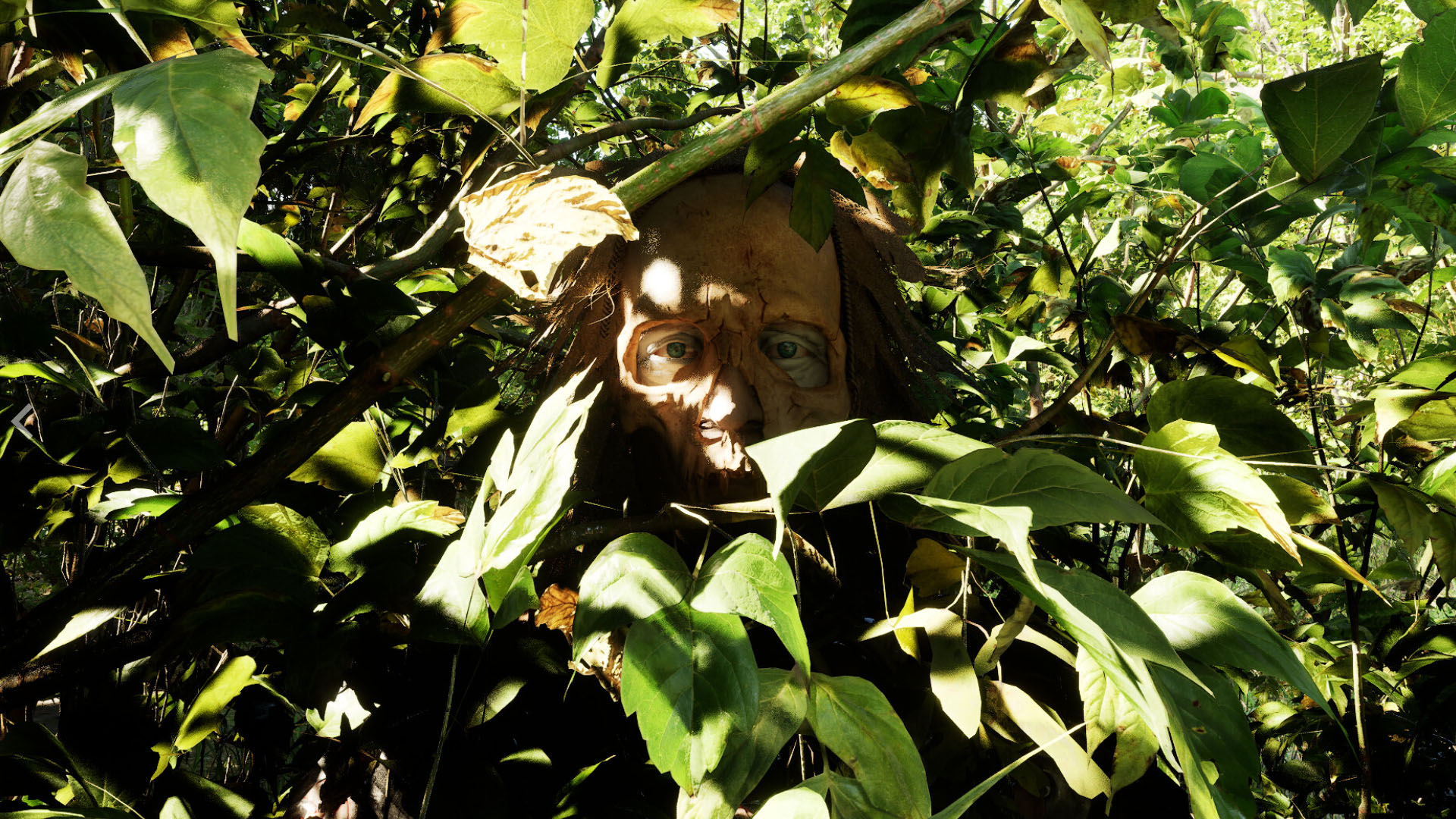
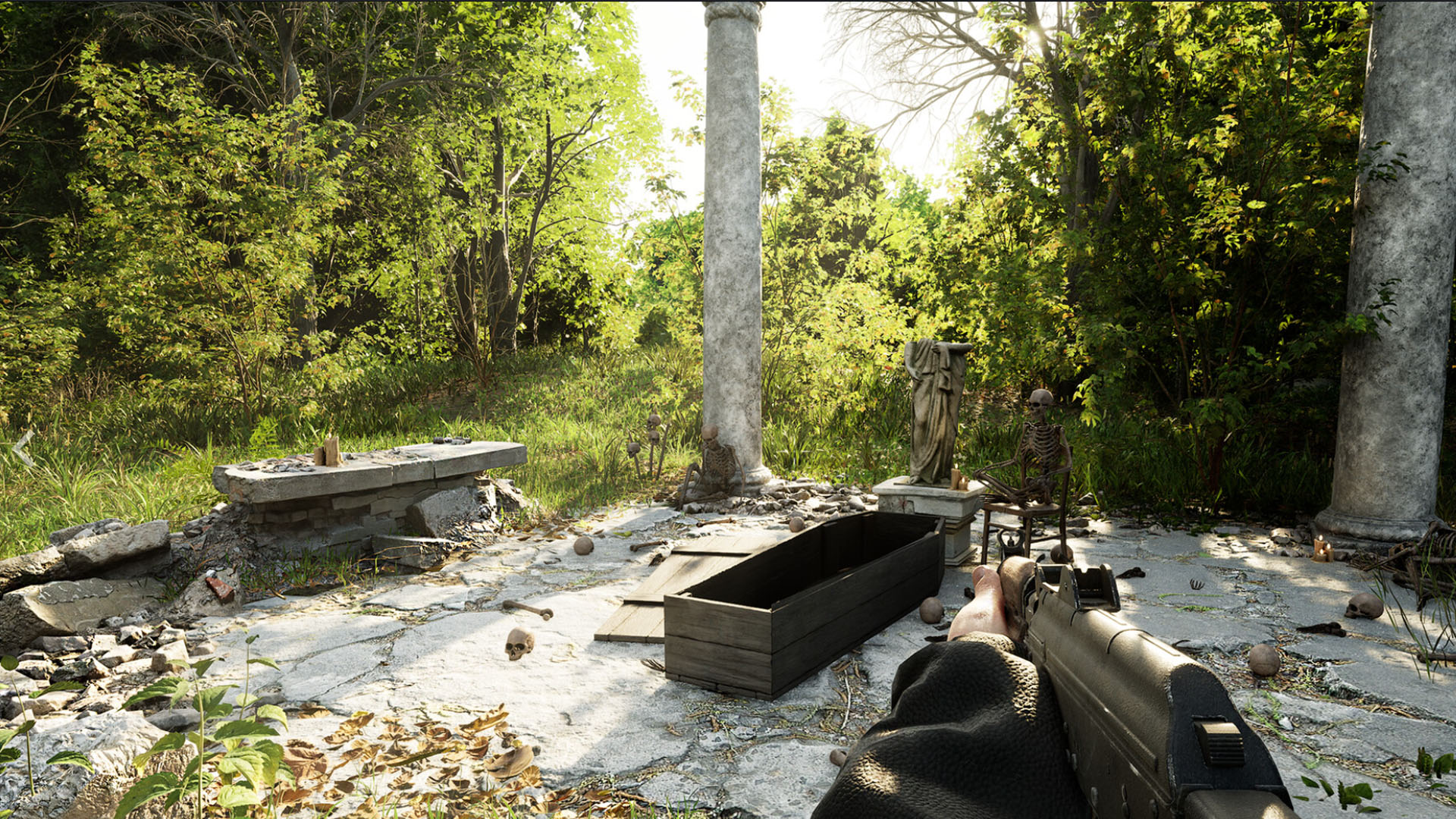
It sounds harsh, but it changed how we think. We started looking at Forest Doesn't Care as a product for the player. The player wants enjoyment, not an explanation for why an uncomfortable system is ?unique?. We simplified, removed unnecessary pain, and searched for identity in sound, rhythm, strange discoveries, and characters. The game must be comfortable enough for the player to believe it; after that, the forest can scare them.
13. The German Lobby
Somewhere I read about lobbies that influence governments. In our small game-dev government, there is a German lobby. Germany embraced the game from the beginning, and we still do not fully understand why, but we value it deeply.
Videos about the game made there became excellent tests. We watch where players get lost, where they do not understand a system, where they stare too long at an object, and where the game fails to explain itself clearly.
Player behavior shows where the game did not work. That is why we can thank the community a hundred times and it will still not be enough. Thank you. Seriously.
14. Story Is Not an Answer.
Spoilers ahead. If you strip Forest Doesn't Care down to events, it sounds like a strange dream: a person wakes in a forest, follows traces of other people, descends into caves, listens to dangerous strangers, opens doors that should maybe stay closed, reaches a giant eye, and returns changed.
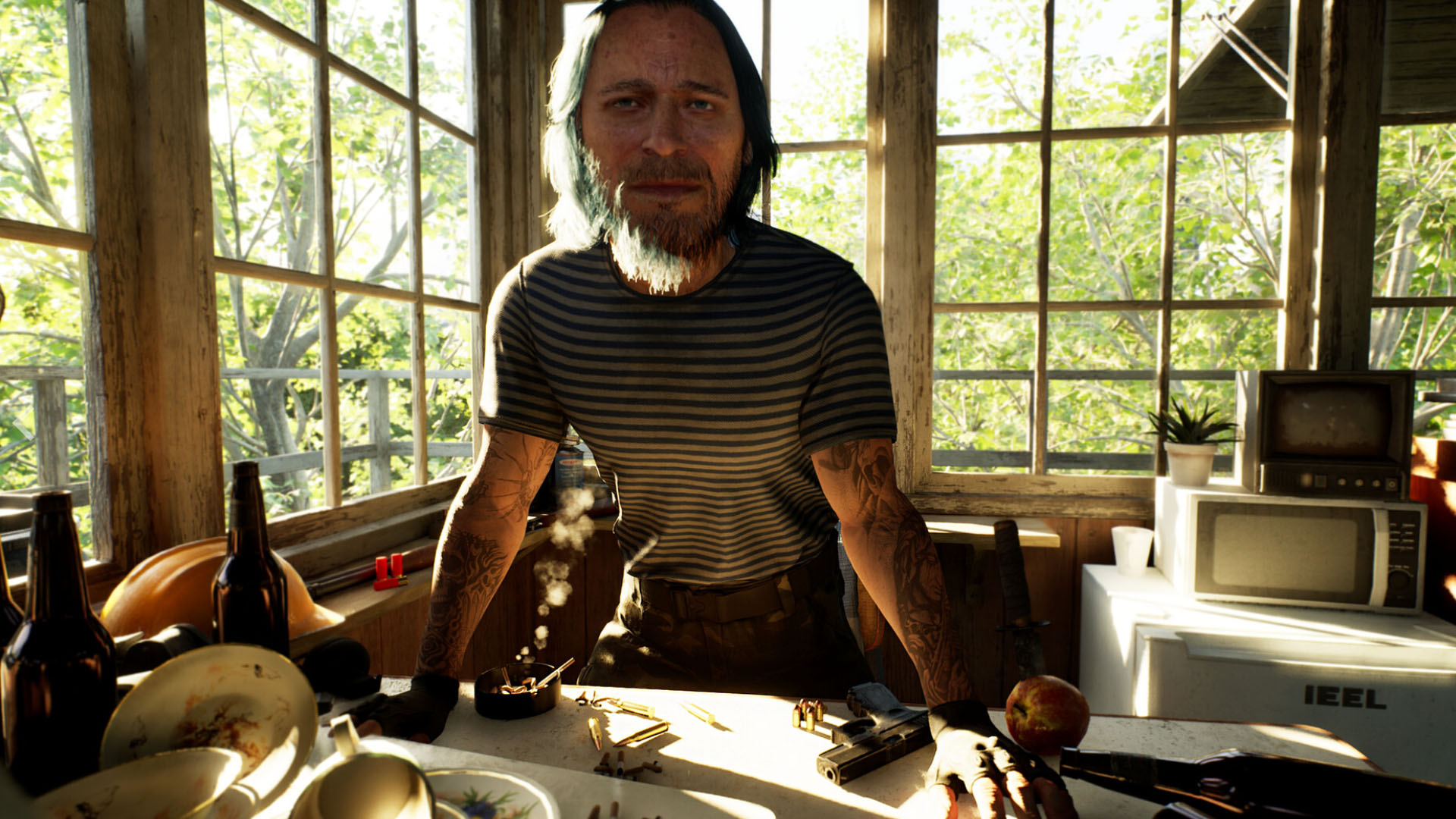
For us, the plot was never meant to explain the forest. It was meant to make the player feel trapped inside a system of incomplete answers. Blood, towers, voices, caves, bodies, rituals, and the Hive are not encyclopedia entries; they are fragments the player has to connect, doubt, and sometimes ignore.
The Forest Has Its Own Logic
Every possible exit becomes another layer. Max, Jack, the journalist, Jonathan, the Witch, Reaper, and Deep Hive all look like steps toward freedom, but each one pulls the hero deeper into someone else's rules. The uncomfortable idea is simple: the hero keeps moving, but not always by choice.
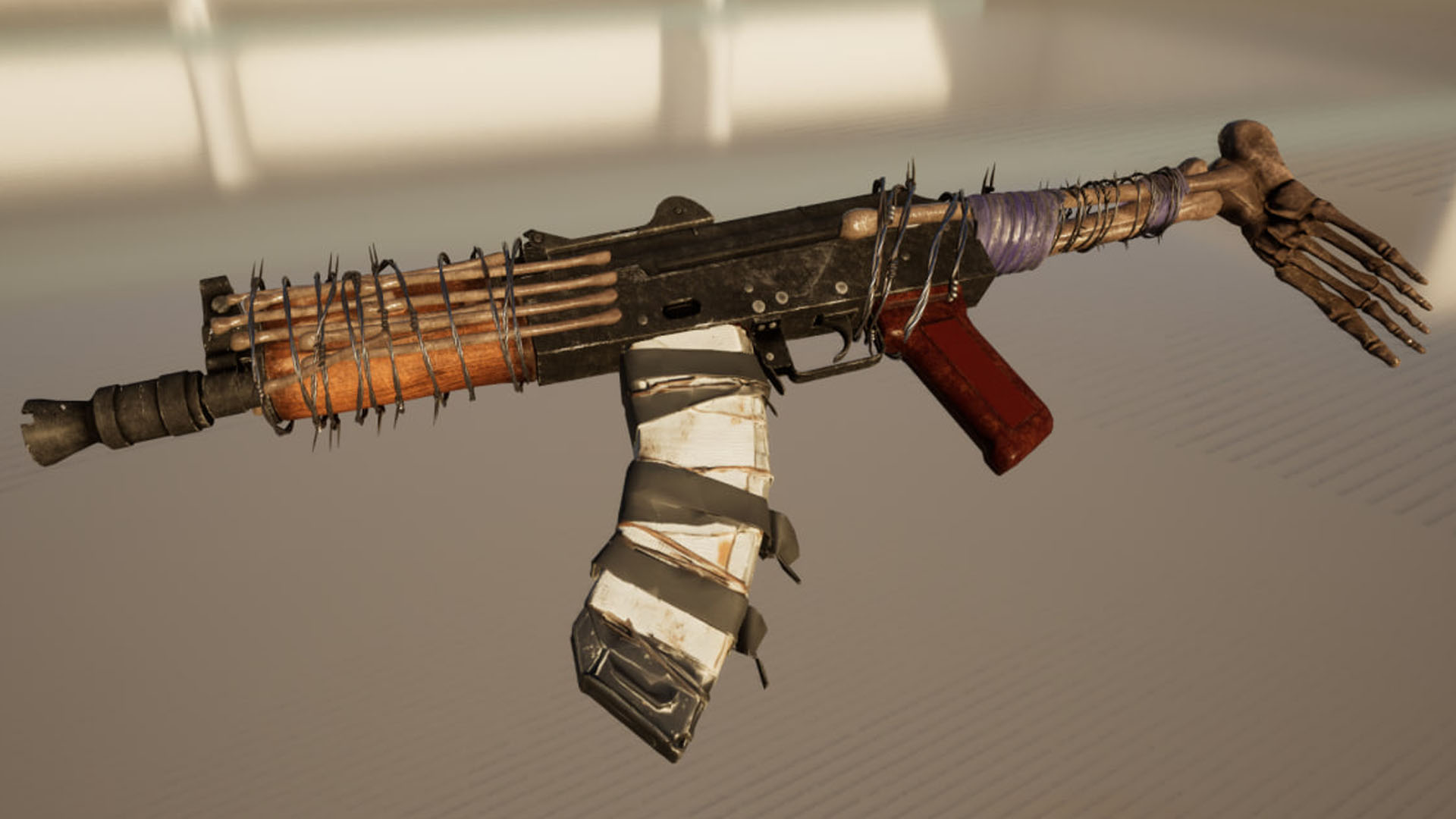
Max, Jonathan, the Witch, and Reaper work best as possible futures for the hero. Humor as survival. Philosophy as an excuse for violence. Calm control disguised as wisdom. Power that leaves only a weapon behind. The forest does not instantly corrupt the hero; it teaches him to get used to things he once would have refused.
The Eye Does Not Give a Final Truth
The giant eye is not a classic final boss or a clean lore answer. It is the moment where the player expects reward, explanation, or judgment, and instead meets something closer to emptiness. Maybe the forest was never hiding one correct answer. Maybe the need for an answer was part of the trap.
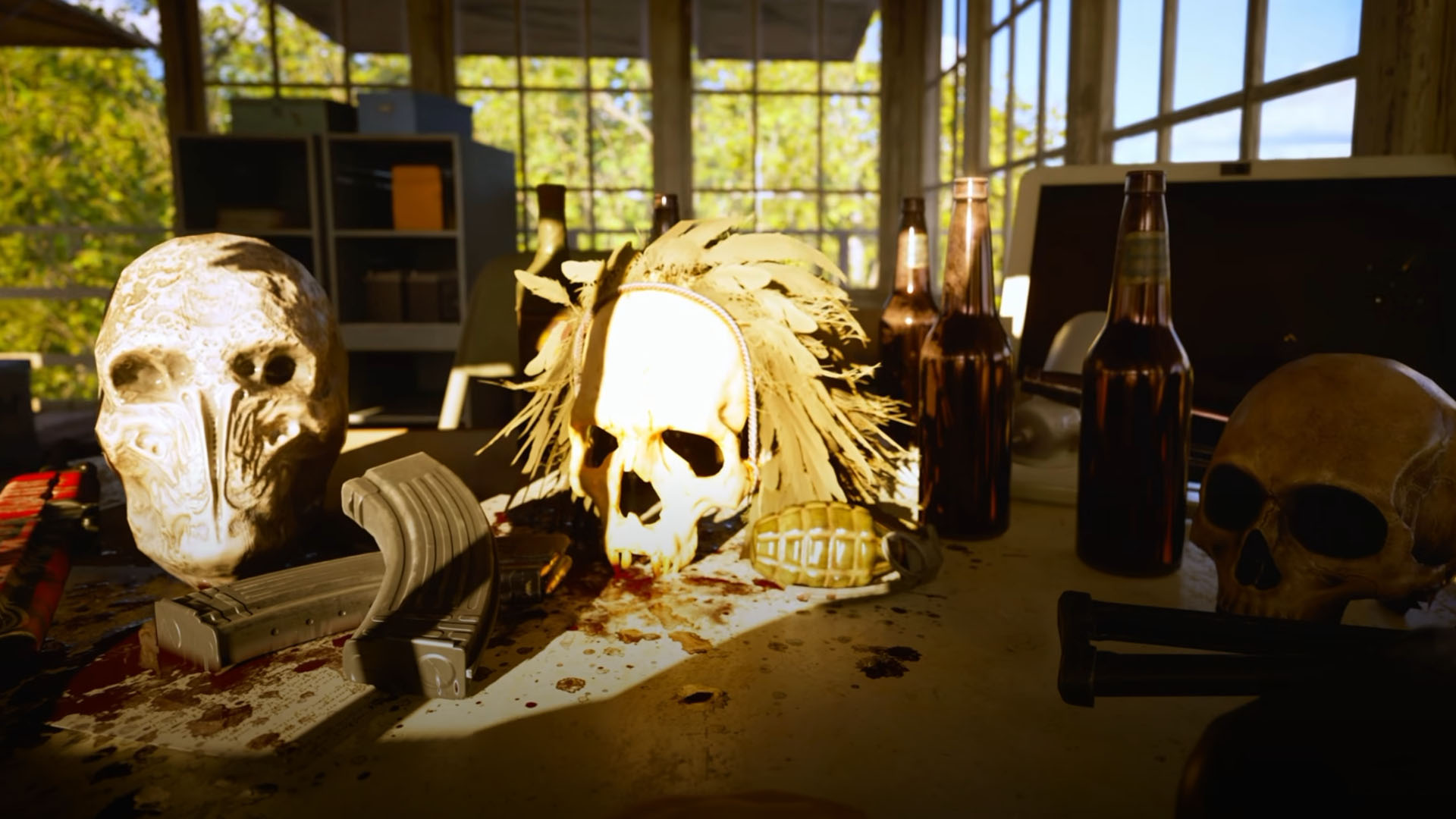
The ending matters not because it solves the mystery, but because the hero stops sounding like a guest. He returns to the first tower, meets another frightened stranger, and speaks with the calm of someone who has accepted the place. He did not defeat the forest. He became part of how it continues.
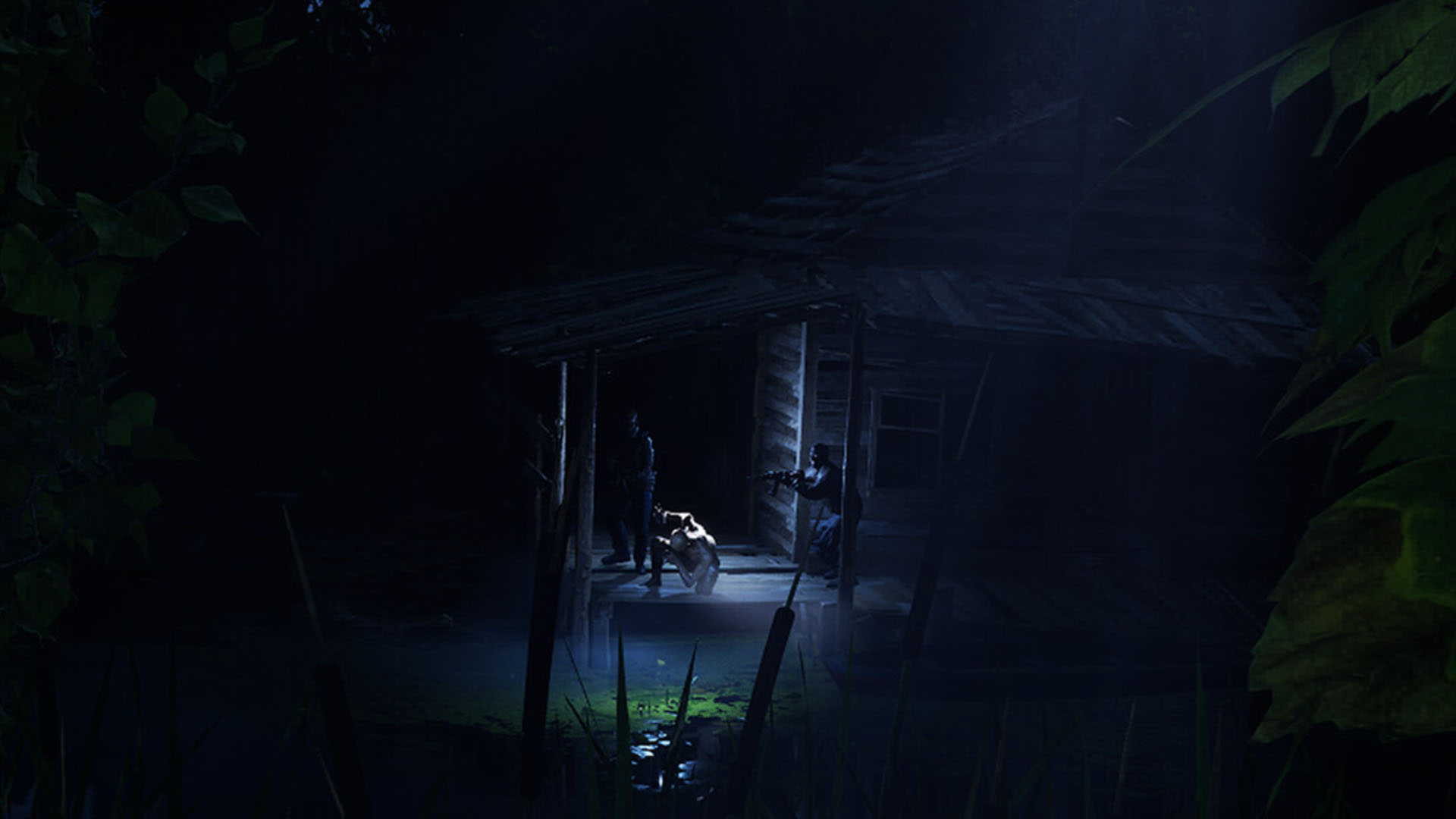
So the story of Forest Doesn't Care is not a grand mystery with a neat key. It is a concept about a modern person without GPS, markers, support, or certainty, trying to find meaning in a world that never promised meaning at all. And if the player ignores the plot entirely, that also fits: the forest does not care which path you choose.
15. Half a Year of Work Changed More Than the Game
Part of this work happened under missile and Shahed attacks, blackouts, and constant uncertainty, while russian strikes kept targeting homes and power infrastructure in Ukraine. We do not mention this to make the project look heroic. It is simply the reality in which the game was made.
At first the main question was:
How do we make it beautiful?
Then:
How do we make it realistic?
Then:
How do we make it interesting?
And now the main question sounds different:
Will the player believe this world?
It is not only about graphics. It is the sum of everything: the environment, the sounds, the atmosphere, the story, the behavior of the world, the way it reacts to your actions, and how naturally all these things exist together. If a person feels they exist there, not just control a character, we are moving in the right direction.
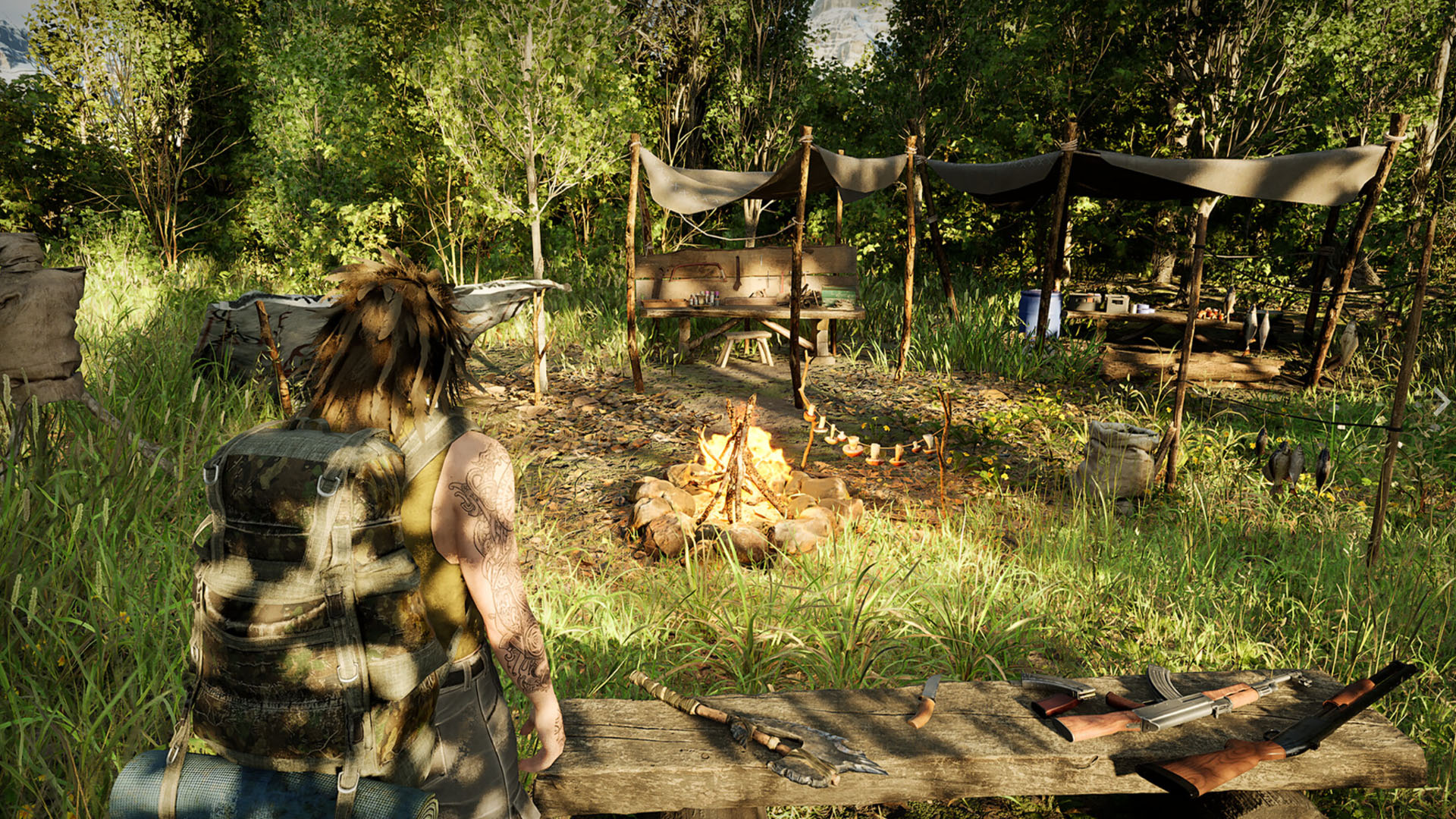
We know how it works. We know every material, every mesh, every item, every spawn chance, every trigger. And still Forest Doesn't Care surprises us. When I stop looking at the game as a developer and begin playing as a regular player, I catch myself starting to believe in this world.
16. What Comes Next
We are not finished. New mechanics, AI, animations, co-op experiments, and world expansion are ahead. The important thing is not how many systems we add, but that the forest stays alive, unpredictable, and honest in its indifference.
Epilogue. We Just Wanted to Make a Forest
Forest Doesn't Care began with a beautiful forest and a small game about mushrooms. Then came bad decisions, hundreds of moments of hating Unreal Engine, and just as many reasons to open it again.
We did not know how to do it right. We tried, failed, watched player videos, argued over bugs, laughed at stupid decisions, and stayed quiet for half a year because a small patch had become a new game.
Honestly, it is unlikely it will ever learn to behave normally. Because Forest Doesn't Care.
And maybe that is exactly why we keep making it.